

 See My Latest Article on HelloNation
Can You Pour Grease Down the Drain?
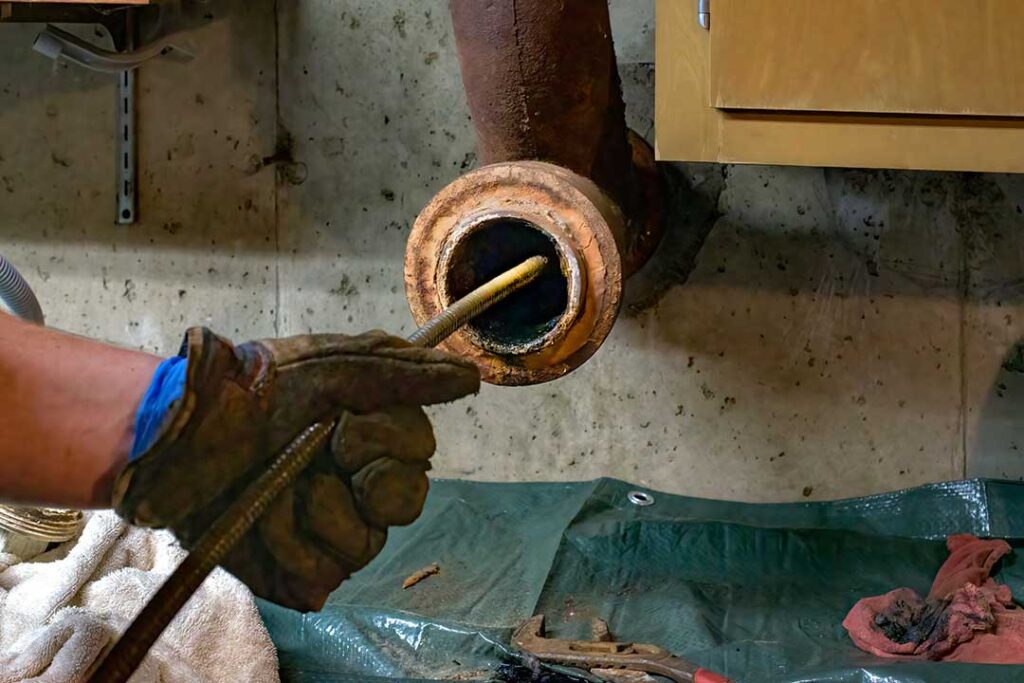
No, pouring grease down the drain is not safe for your pipes or the greater Baton Rouge, LA plumbing system. While it may seem harmless to rinse leftover cooking fat away with hot water, this common practice can create serious problems for homes and local infrastructure.
What Happens When Grease Goes Down the Drain?
Grease, fats, and oils may leave your sink in liquid form, especially if they’re still hot. But once these substances cool, they begin to solidify. This cooling often happens rapidly inside household pipes and sewer mains.
- As these fats harden, they coat the inside of plumbing pipes and gradually narrow the passageways.
- Over time, the buildup can trap other materials like food scraps, lint, or hair.
- Eventually, the blockage can cause slow drains, unpleasant odors, or even sewage backups into homes.
In Baton Rouge, these problems aren’t just a nuisance for individuals—they become community issues. Solidified grease can block city wastewater lines (sometimes called “fatbergs”), leading to expensive maintenance and even sanitary sewer overflows.
Why Does Grease Create Such a Problem in Baton Rouge Homes?
Many residences in the city have older plumbing systems, some with narrow or corroded pipes. Clay soils common in the region can lead to shifting pipes, which makes partial blockages more likely to become total clogs. Also, frequent rainstorms may put extra strain on the sewer system, causing minor grease blockages to escalate more quickly.
Baton Rouge’s warm climate can contribute to the misconception that heat keeps grease in a liquid state. In reality, even though air and soil temperatures are often high, indoor plumbing is much cooler, particularly underground. Grease always eventually cools and re-solidifies somewhere in the system.
Are Some Types of Grease Safer Than Others?
No type of kitchen grease is safe for household plumbing. This includes:
- Bacon fat and meat drippings
- Butter, margarine, and lard
- Used cooking oil from frying
- Sauces and dressing with high oil content
Some people believe that small amounts, or diluted grease, won’t cause harm. However, even trace amounts accumulate over time and contribute to larger issues.
Can Hot Water and Soap Wash Grease Away?
It’s a common belief that hot water and dish soap can dissolve grease enough for it to travel safely through pipes. This only works briefly. Hot water cools quickly, and soaps may temporarily break up oils, but as soon as the water cools in the pipes, the fat solidifies—often far from where you poured it, making clogs harder to locate and fix.
This misconception leads many city residents to unintentionally contribute to sewer system problems, thinking their method is “good enough.”
What Are the Signs of a Grease Blockage in Your Home’s Plumbing?
Slow or gurgling drains are usually the first sign of grease trouble. Other warnings that often go overlooked include:
- Frequent need to use plungers or drain cleaners
- Persistent or recurring foul odors from sinks, particularly in kitchen drains
- Water backing up in sinks or bathtubs after dishwashing or laundry
Ignoring these signs can allow a manageable buildup to evolve into a full sewer backup, which carries significant health risks and can require extensive cleaning.
What Should You Do With Used Cooking Grease Instead?
The safest way to dispose of kitchen grease in Baton Rouge is to keep it out of your plumbing entirely.
- Allow grease to cool and solidify in the pan or a disposable container, then scrape it into the trash.
- Smaller amounts can be wiped up with paper towels and thrown away.
- For larger amounts of oil (from deep frying, for example), pour into a can or jar, seal it, and place it in the trash once full.
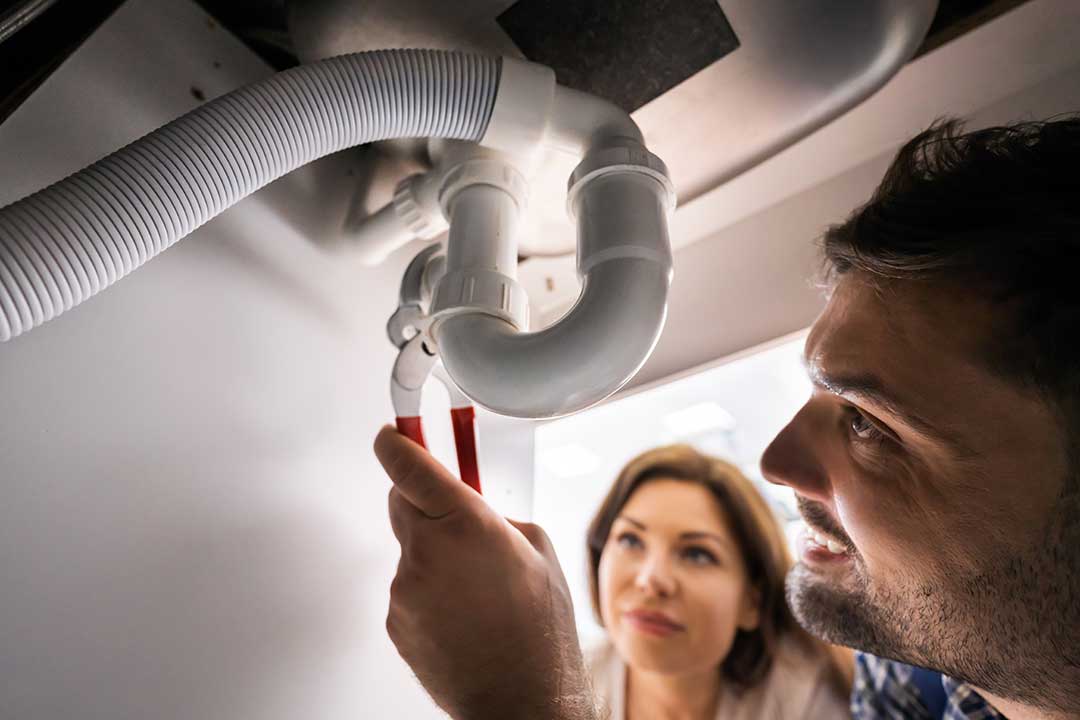
City residents who cook often may find it handy to keep a sealable “grease jar” under the sink for ongoing collection.
If you want to be especially eco-conscious, some local programs accept used cooking oil for recycling or safe disposal. These programs change from time to time, so check the latest guidelines from your local waste management authority.
What Can Happen If an Area’s Residents Ignore Grease Disposal Advice?
In communities like Baton Rouge where many homes share common sewer lines, improper grease disposal builds up over years. This can lead to:
- Neighborhood sewer blockages affecting multiple homes or entire streets
- Higher maintenance costs for the municipality, which can translate into increased utility fees for everyone
- Unexpected home repair bills for those whose plumbing backs up or becomes damaged
- Public health concerns if raw sewage enters yards, streets, or local water systems during heavy rains
Fatbergs—large, sewer-blocking masses of fat, oil, and waste—have been found in municipal sewers worldwide. Even a few households regularly pouring grease down the drain can contribute to these “fatbergs” in the region.
What Are Common Grease Disposal Mistakes Locally?
Common habits that cause issues include:
- Rinsing oily pans directly under hot water, especially after cooking holiday meals or crawfish boils
- Flushing leftover fryer oil or sauce-laden water down the drain “just this once”
- Dumping cooled grease into sinks, believing the garbage disposal will handle it
- Assuming septic systems can handle small amounts of kitchen oils—most cannot
Educating everyone in the household, including guests and children, about proper disposal helps prevent confusion and future plumbing issues.
Are There Local Rules About Pouring Grease Down the Drain?
While city ordinances focus more on commercial kitchens and large-scale grease disposal, residential guidelines are clear: keep fats, oils, and greases out of drains and toilets. Baton Rouge has ongoing public education efforts to stress this point, particularly after storms or street flooding.
Some neighborhoods provide reminders in utility bills, community newsletters, or seasonal flyers, especially leading up to the holidays when kitchen activity increases.