

 See My Latest Article on HelloNation

What Causes Most Drain Clogs in Baton Rouge, LA?
Clogged drains are common issues in Baton Rouge homes, often caused by a combination of climate, soil, and household habits unique to the region. In local kitchens, grease buildup is a frequent cause, as it can congeal quickly in humid conditions. Bathroom drains often suffer from soap scum accumulation, hair, and the grit tracked in during rainy months. Many area homes also contend with older plumbing systems, where mineral deposits from Baton Rouge's hard water can gradually narrow pipes and worsen slow drainage.
Are Chemical Drain Cleaners Safe for Pipes?
Chemical drain cleaners are widely available, but frequent use comes with risks. While these products can dissolve some organic clogs, their harsh ingredients may corrode metal and plastic pipes over time—especially in homes with aging infrastructure that is common throughout Baton Rouge. Heat and chemical reactions from these cleaners can soften PVC joints, degrade cast iron, and even create toxic fumes in the warm, enclosed environments under sinks. For persistent or recurring clogs, safer methods are preferred to protect household plumbing.
What Common Tools and Supplies Are Recommended for Clearing Drains?
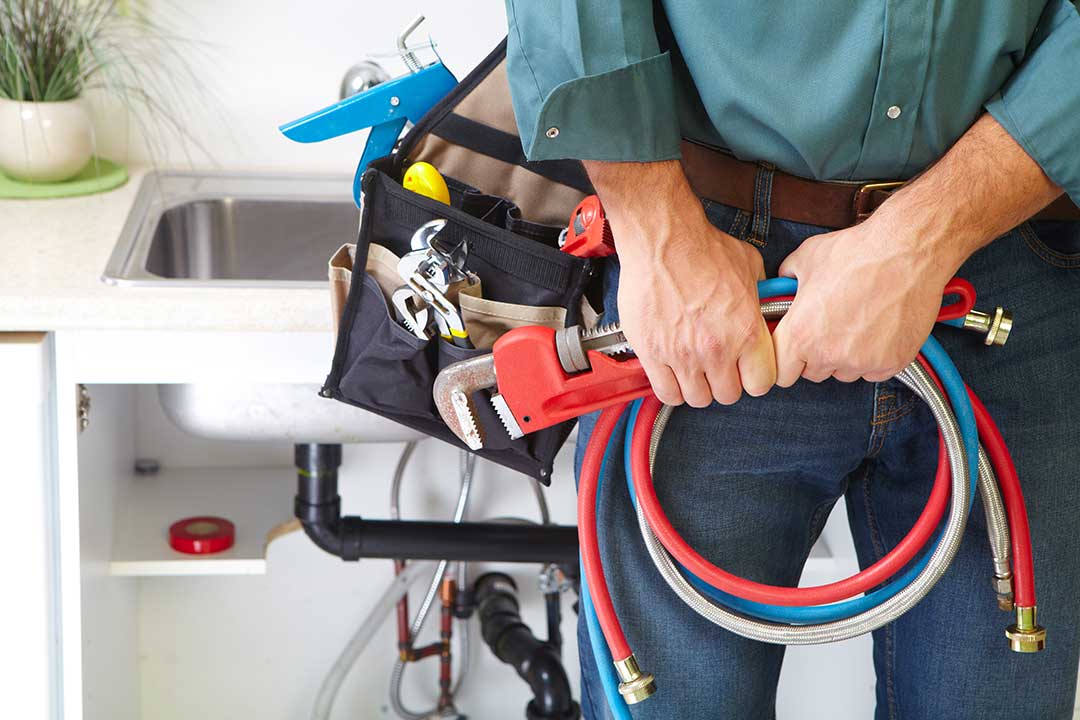
Most Baton Rouge households can address minor clogs using everyday items and a few inexpensive tools. These include:
- A plunger (cup-style for sinks, flange-style for toilets)
- A plastic or metal drain snake (also called a hand auger)
- Baking soda and distilled white vinegar
- A bucket, rubber gloves, and old towels for cleanup
These approaches minimize the risk of pipe damage when used properly and avoid introducing corrosive substances to the household plumbing.
How Can Plunging Safely Remove a Blockage?
Plunging is often the safest first step for a clogged drain. For sink and tub drains, fill the basin with enough water to cover the rubber cup. Center the plunger over the drain, ensuring a tight seal, then plunge up and down vigorously for 30 seconds. This action uses water pressure to dislodge most obstructions without stressing pipe joints. If plunging a double sink, block the other drain opening to improve suction. Avoid using excessive force, as aggressive plunging may damage older or brittle pipes found in many Baton Rouge homes.
Are Natural Drain Cleaning Solutions Effective?
Natural solutions can be effective for slow-running drains and mild clogs. Pouring half a cup of baking soda followed by one cup of white vinegar into the drain creates a foaming reaction that can loosen soap scum and organic buildup. Wait at least 15 minutes, then flush with several cups of boiling water. This combination is generally gentle enough for common household pipes but should be avoided in drains known to be connected to older cast iron stacks, as frequent boiling water exposure may hasten corrosion in certain legacy systems.
How Should Residents Use a Drain Snake or Hand Auger?
A drain snake or hand auger can resolve stubborn clogs without harming pipes when used carefully. Insert the flexible coil tip into the drain, then rotate the handle gently to feed the snake into the pipe. When resistance is felt, rotate slowly to hook or break up the clog, then retract the tool and clean off debris. Never force the auger—excessive pressure risks puncturing or kinking pipes, especially in homes with thinner-walled plumbing common in older Baton Rouge houses.
What Precautions Prevent Drain Damage During Cleaning?
To protect pipes while unclogging, keep these precautions in mind:
- Avoid combining chemical cleaners with natural or mechanical methods—residue may splash or create harmful reactions
- Do not use excessive boiling water if unsure about pipe material
- Use plastic snakes for delicate or plastic pipes, reserving metal augers for tougher blockages and metal pipes
- Always reassemble drain traps tightly after cleaning to prevent leaks
Local households should be aware that clay-heavy soils and frequent seasonal rainfall can contribute to shifting pipes or root incursions, sometimes masquerading as a persistent clog.
Are There Myths About Clogged Drain Solutions?
Several persistent myths can lead to damage or wasted effort:
- Pouring cola or soft drinks down the drain does not dissolve typical clogs and may leave sticky residue
- Domestic grease-eating enzymes are not a miracle solution and, if overused, may disrupt septic systems
- Wire coat hangers are not safe substitutes for proper drain snakes; they can scratch or puncture pipes
Baton Rouge residents are also sometimes advised to flush large volumes of water at once, but this can overwhelm older sewer pipes or strain smaller household lines.
When Does a Clogged Drain Require Special Attention?
For most ordinary clogs, the above methods restore drainage without issue. However, repeated, multi-fixture backups or foul sewage odors from several drains at once may point to a deeper problem, such as a main line blockage or root intrusion. These situations are more common in mature neighborhoods or those with large shade trees, as roots seek out moisture from minor pipe cracks. Such cases require solutions beyond home tools to avoid further pipe or yard damage.
How Can Households in Baton Rouge Reduce Future Clogs?
Routine practices help keep household drains clear:
- Collect food scraps or coffee grounds for compost instead of rinsing them down the sink
- Use fine mesh drain screens in bathroom and kitchen drains to trap hair and small debris
- Run hot water after each use to clear away light grease or soap residue
- Limit the disposal of oils, paint, and non-biodegradable wipes into any drain
Given the region’s humidity and potential for rapid mold or mildew growth, periodic cleaning of drain covers and traps also reduces buildup and odor.