
 See My Latest Article on HelloNation
Why Do Pipes Burst During Winter in Baton Rouge, LA?
Cold snaps are not as common in Baton Rouge, LA as in northern climates, but when winter temperatures do dip below freezing, pipes in local homes can be vulnerable to bursting. This happens because water inside pipes expands as it freezes, creating internal pressure that can split even sturdy materials. Many homes in Baton Rouge were built with mild winters in mind, so pipes may not always have been insulated or located with rare freezes considered.
In this area, plumbing is sometimes run through crawl spaces, attics, or exterior walls—places especially likely to get cold quickly during a rare overnight freeze. This makes understanding the local risks and preventive steps even more important for the community.
What Pipes Are Most at Risk in the City?
Pipes that are directly exposed to cold air, such as those in unheated attics, under homes, in garages, or along exterior walls, are the most susceptible. In Baton Rouge, older homes or those with pier-and-beam foundations often have plumbing running through crawl spaces with minimal airflow control. Newly built homes may be better insulated overall, but exposed hose bibbs and outdoor kitchen plumbing can still be at risk.
Conventional misconceptions in the area include underestimating the freeze threat because truly cold nights are rare. However, even a single hard freeze night can cause extensive property damage if precautions are not taken in advance.
What Preventive Steps Offer Strongest Protection?
The most effective preventive strategy is to keep water in vulnerable pipes from freezing altogether. Baton Rouge residents should focus on these essential measures:
Pipe Insulation:
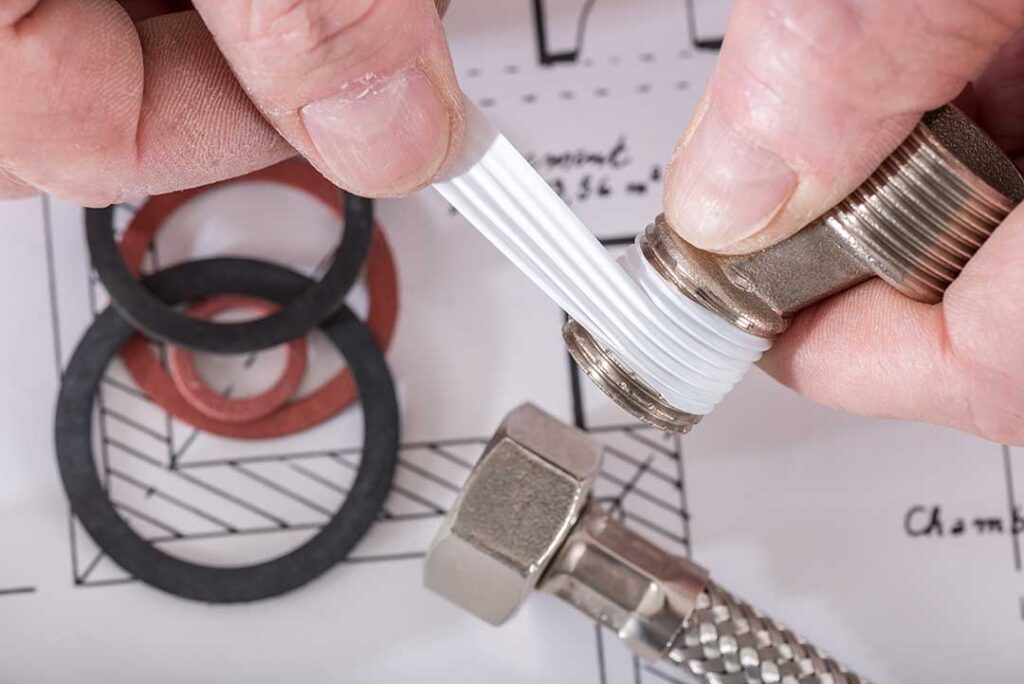
Wrapping pipes with foam sleeves or specialized insulation tape adds a basic layer of protection. Prioritize exposed pipes in crawl spaces, attics, garages, and exterior walls. For outdoor faucets (hose bibbs), use an insulating cover or wrap thickly with towels and plastic bags as a temporary measure if a freeze is imminent.
Seal Gaps and Cracks:
Cold air leaking into unconditioned spaces can make pipes freeze faster. Seal gaps around holes where pipes enter walls, foundation vents, and any cracks along the house perimeter using weatherproof caulk or expanding foam. Reliable sealing helps retain warmer air near pipes and stops drafts.
Open Interior Doors and Cabinets:
On especially cold nights, open the doors of cabinets under sinks (especially those against exterior walls) to let warmer house air circulate around the pipes. Keeping all interior doors open can help heat from the main areas move into rooms that might have less insulation.
Let Faucets Drip Gently:
Allowing a small trickle of water to run overnight keeps water moving through the pipes, which reduces the risk of freezing. Even a slow drip is usually enough to keep water from locking up in the pipe. Focus on the faucet farthest from where water enters your house to encourage flow throughout the system.
Heating Unconditioned Areas:
If your home has pipes in a garage, attic, or crawl space, a temporarily placed space heater (safely distanced from anything flammable) can provide enough warmth on the coldest nights. Always use heaters according to the manufacturer’s safety instructions.
How Do Local Factors in Baton Rouge Affect Pipe Burst Risk?
Baton Rouge winters are usually mild, but irregular cold fronts can bring sudden, hard freezes. Residents may not always expect or prepare for a rare drop below 28°F. Homes here often have plumbing with less thermal protection compared to northern climates.
Additionally, local soil shifts and humidity can cause small house movements and create new gaps around pipes over time. Poorly maintained crawl space vents or foundation cracks can worsen the freeze risk, especially if these vulnerabilities go unnoticed from one mild winter to the next.
Are There Misconceptions About Freezing Pipes in the Region?
Many local residents assume that pipe bursts are mostly a problem in colder states. This belief often leads to a lack of insulation or winterizing efforts. Another misconception is that only outdoor pipes are vulnerable; in reality, any pipe routed through an unheated space or exterior wall can freeze and burst.
There’s also a mistaken idea that leaving the heat off to save energy on cold nights is acceptable. In actuality, maintaining some level of warmth can be crucial, both for plumbing safety and to protect other systems in the home.
What Should Area Households Do Before and During a Freeze Warning?
When local authorities or weather services issue a freeze warning, households should act quickly:
- Insulate or cover all exposed piping, including outdoor faucets
- Seal accessible cracks or vents, especially at ground level
- Open cabinets and allow a slow drip from vulnerable sinks
- Move vehicles from garages if using a heater for pipes there
- Know where the main water shut-off valve is located in case of a burst
Advance planning makes all the difference. Keeping basic materials like foam pipe sleeves, insulating covers, and freeze tape on hand can save hours of last-minute anxiety when a freeze is forecasted.
What Repairs or Immediate Actions Should Residents Avoid?
In the event that a pipe freezes, do not use open flames or excessive heat sources, such as a blowtorch, to thaw pipes. This can cause fire hazards or damage the plumbing itself. Instead, gradually warm the area using towels soaked in hot water or a hair dryer on a moderate setting.
If water stops flowing or a pipe bursts, shut off the main supply immediately. For significant leaks, water damage, or electrical hazards, safety comes first—leave the area and wait for qualified help once secure to do so.