

 See My Latest Article on HelloNation
What Causes Low Water Pressure in Baton Rouge Homes?
Many Baton Rouge, LA homeowners notice weak water flow in faucets or showers and wonder why it happens. Local water pressure issues can arise from a mix of aging infrastructure, plumbing wear and tear, and seasonal environmental changes. Understanding the common reasons behind these problems helps residents know what to look for and when further investigation may be needed.
Are Whole Neighborhoods Affected or Just My House?
Low water pressure sometimes hits all homes in a neighborhood, but it's often isolated to individual houses or sections of plumbing. If neighbors are experiencing similar issues at the same time, there may be a municipal supply disruption, main break, or city maintenance project underway. Local utility alerts or news sources usually offer updates for widespread events.
If only your house has reduced pressure, the cause is typically within your property boundary. In these cases, internal plumbing, home fixtures, or private supply lines are the likely culprits.
How Do Clogged Pipes Affect Water Pressure?
Mineral buildup and sediment are common in the Baton Rouge area, where water often contains a mix of minerals that can accumulate in pipes over time. This buildup narrows the pipes and makes it harder for water to flow, leading to noticeable drops in pressure. Residents living in older homes with original galvanized or cast iron pipes are particularly at risk for this problem.
- Early signs include diminished shower spray, slow-filling washing machines, or weak faucet streams.
- The issue may be worse during peak usage hours.
Flushing out sediment or replacing sections of old piping are sometimes necessary in cases of severe buildup.
Can Plumbing Leaks Cause Pressure Loss?
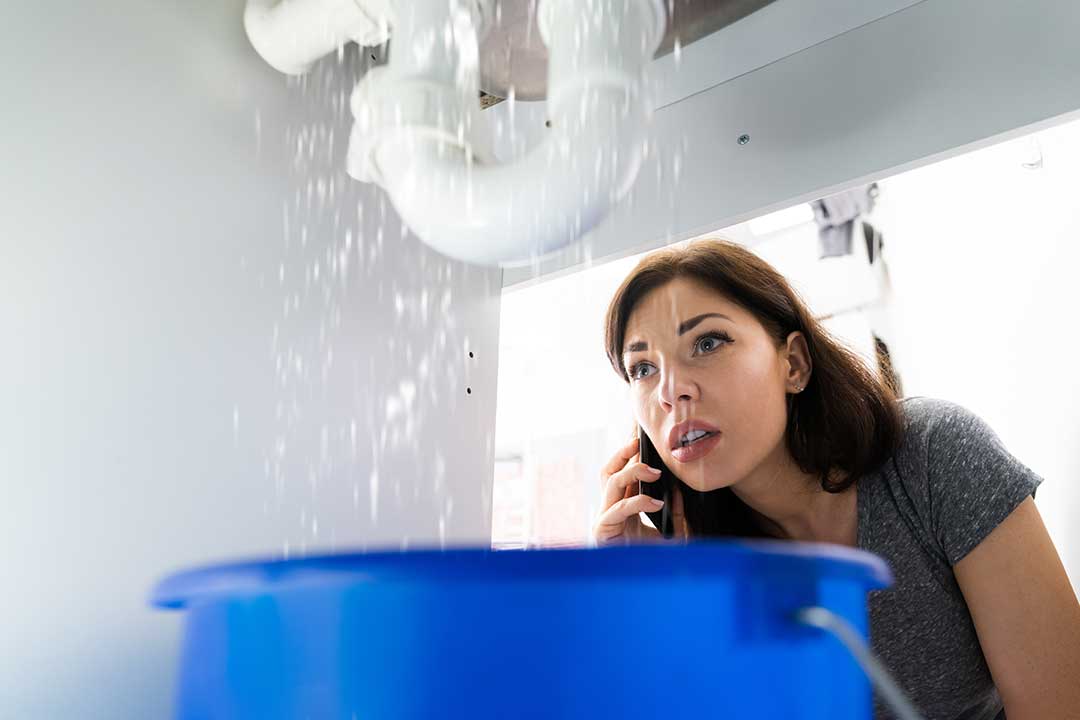
Yes, even minor leaks in a plumbing system can reduce pressure throughout the home. Baton Rouge’s humid climate and shifting clay soil can cause underground or hidden pipes to crack or corrode, especially in older properties. Leaks in supply lines, crawlspaces, or slab foundations might not be obvious at first but often show up as soft spots in drywall or unexplained dampness.
If a sudden or unexplained drop in water pressure occurs and no other cause is obvious, it’s worth inspecting less visible areas for signs of water escaping the system.
Do Pressure-Reducing Valves or Home Regulators Make a Difference?
Pressure-reducing valves (PRVs) help protect plumbing by lowering high incoming water pressure from city mains, which is common in some Baton Rouge neighborhoods. If a PRV is set too low or begins to fail, overall household water flow can drop noticeably.
Signs of trouble with a PRV include:
- Water pressure that suddenly becomes much lower than usual
- Changes in flow in all parts of the house
- An older PRV that hasn’t been adjusted or checked in many years
Residents should locate the PRV (often near the main water shutoff) and be aware that valve settings sometimes drift over time.
Can Fixture Problems Cause Low Pressure in Just One Room?
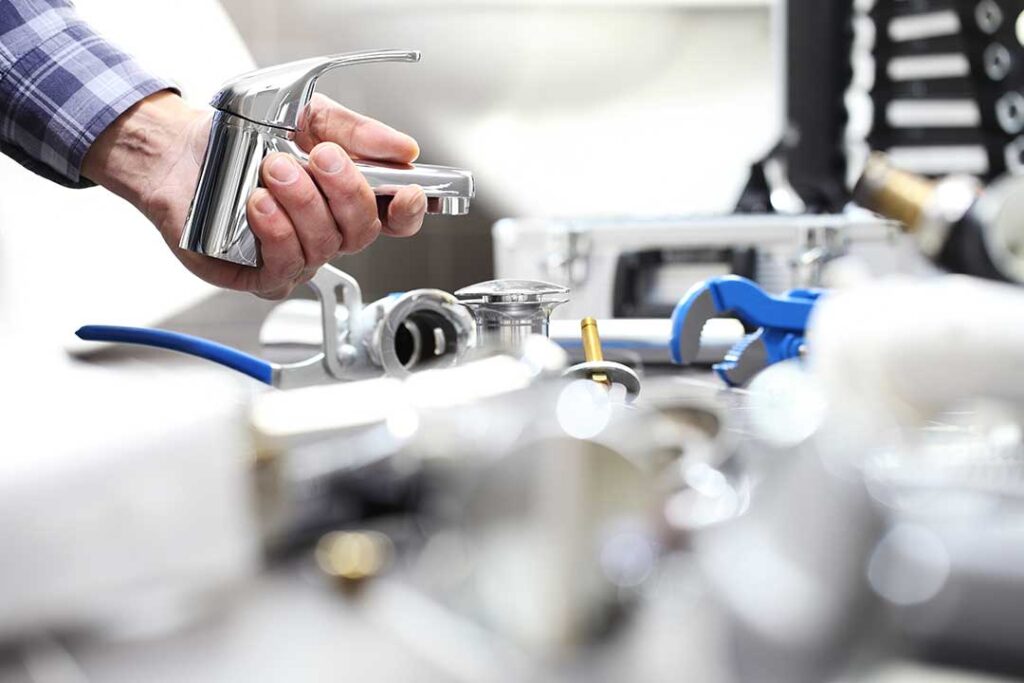
When only one faucet, shower, or appliance has poor flow, the issue is usually local to that fixture. In the Baton Rouge climate, mineral buildup in faucet aerators and showerheads is a regular problem, especially where hard water is present. Sometimes, partially closed or faulty shutoff valves beneath sinks or toilets can restrict water.
Removing and cleaning aerators or showerheads, and checking under-sink valves, usually restores normal pressure to that outlet.
How Does Seasonal Change Affect Pressure?
During hot summer months, Baton Rouge residents often use more water for gardening, pools, or cooling, which can strain both private well systems and municipal lines. Temporary drops in pressure may occur during these peak periods. In drought years, water utilities may limit pressure to conserve supply.
Conversely, heavy rains or flooding can cause shifts in pipes or groundwater intrusion, leading to unexpected leaks or blockages. These effects, while less frequent, highlight the importance of monitoring plumbing after major weather events.
Does House Age or Remodeling Affect Water Pressure?
The age and design of Baton Rouge homes play a role in pressure reliability. Houses with original plumbing from decades past often have narrower pipes than modern builds. DIY renovations or earlier construction may have left problematic connections, bends, or outdated materials such as galvanized steel, which is prone to clogging.
If pressure has been inconsistent since moving in or after a remodeling project, reviewing past plumbing work for non-standard layouts or bottlenecks can be revealing.
Can Water Meters or Main Supply Lines Cause Issues?
A partially closed or malfunctioning water meter valve can restrict flow to the entire house. This is sometimes the result of city work that did not fully restore the valve to its original position. Similarly, the main supply line serving the house can be affected by soil movement, tree roots, or accidental disturbance during yard work.
These causes tend to result in a uniform drop in pressure across all fixtures, and little improvement during off-peak times.
What’s a Common Misconception About Water Pressure?
Many people believe water pressure loss always comes from a “major” problem, such as a city-wide supply drop or a broken underground pipe. Far more often, the cause is inside the home: mineral clogs, minor leaks, or fixture buildup. Simple cleaning or small repairs regularly restore full function.
Locals also sometimes assume water pressure is consistent throughout the year, when in reality, it can fluctuate with season, local construction activity, and neighborhood demand.
Key Takeaways for Baton Rouge Residents
Understanding the specific factors that affect water pressure in Baton Rouge homes—like mineral-rich water, older plumbing, and shifting ground—can help residents pinpoint common problems early. Regular checks of fixtures, valves, and accessible pipes, along with attention to sudden changes during peak use or after storms, go a long way toward maintaining reliable water flow.