

 See My Latest Article on HelloNation
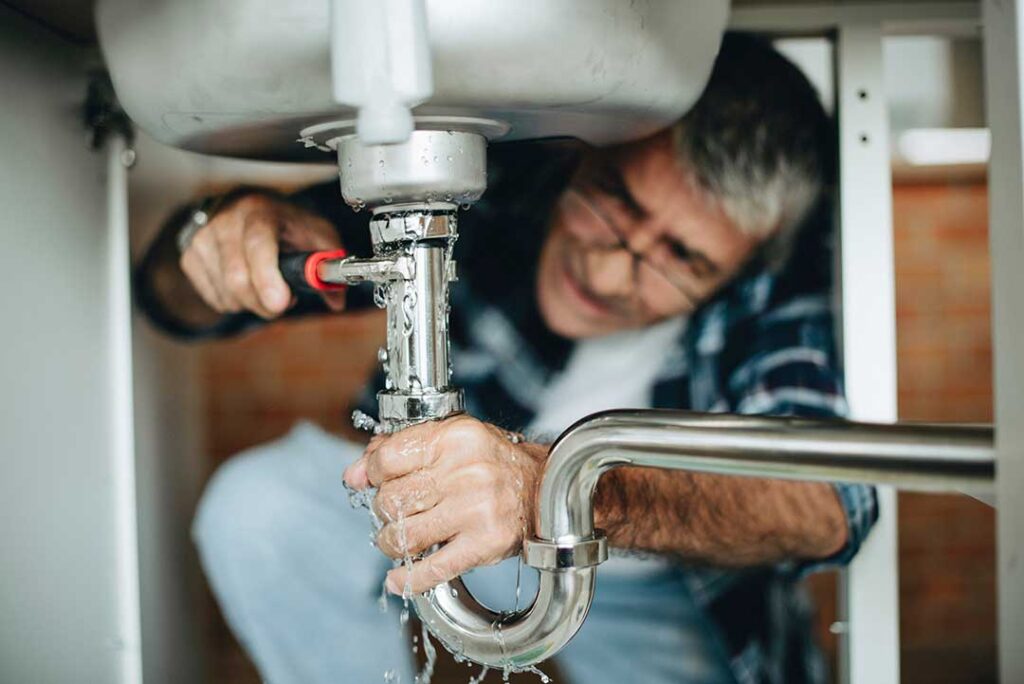
Why Is the Drip More Noticeable at Night?
The sound of a dripping faucet often seems louder at night. This occurs partly because household activity and outdoor noise decrease after dusk in Baton Rouge, making subtle sounds stand out. Residents may overlook minor drips during the day but find them distinctly irritating when the house is quiet. However, the conditions causing the leak exist around the clock; nighttime simply makes them easier to notice.
What Causes a Faucet to Start Dripping?
A faucet that drips—whether all day or just at night—usually signals a problem with its internal components. The most common sources include:
- Worn-out rubber washers: Traditional compression faucets depend on a rubber washer to create a watertight seal. Over time, friction from regular use or mineral buildup from Baton Rouge’s water can cause the washer to degrade, leaving a tiny gap for water to seep through.
- Damaged or loose valve seats: The area where the faucet connects to the spout can corrode or collect minerals, preventing a tight seal even if the washer is intact.
- Cartridge or ceramic disc wear: Newer faucets may use ceramic discs or cartridges. These can also wear out or fail, especially if sand or grit enters the supply line during routine water system work in the city.
- O-ring failures: For faucets with a swivel spout, a small O-ring helps prevent leaks. If it hardens or splits, drips may develop.
A slow leak often starts with only a drop or two per minute—just enough to make a noise after the local traffic dies down for the evening.
Does the Baton Rouge Environment Affect Faucet Drips?
Yes, regional factors can play a role. Baton Rouge’s warm, humid climate can hasten the breakdown of rubber and soft plastic faucet parts. During summer, outdoor air-conditioning use raises water demand, increasing local water pressure fluctuations. Periodic water main maintenance, influenced by the city’s aging infrastructure and frequent rain events, sometimes stirs up sediment that can enter household pipes and hasten internal faucet wear.
Mineral content in Baton Rouge tap water is moderate, but prolonged buildup can still create sediment inside faucet components. Over time, this can prevent a complete shutoff and contribute to persistent dripping.
Could Water Pressure Be a Factor?
Elevated or unsteady water pressure is a lesser-known cause. In some Baton Rouge neighborhoods, pressure regulation varies depending on time of day and demand. At night, pressure may creep higher as fewer people use water. This extra force can worsen weak spots in a faucet’s seal, helping water slip through and making drips more noticeable.
Some area households have water pressure regulators on main lines; if these are set too high or malfunction, dripping may be more frequent. While not common, neighbors may experience similar issues during citywide maintenance or pressure shifts.
Can Bathroom or Kitchen Habits Make a Difference?
Yes, how residents use their faucets can influence how quickly leaks develop:
- Over-tightening when turning off: Twisting handles too hard can wear washers or distort seals, accelerating drip problems.
- Ignoring mineral deposits: A white or green crust, common in local homes, should be regularly cleaned to keep seals flush against metal surfaces.
- Delaying small repairs: A slow drip rarely fixes itself. Ignoring it leads to larger leaks, water stains, or even mold growth in humid corners typical of Baton Rouge homes.
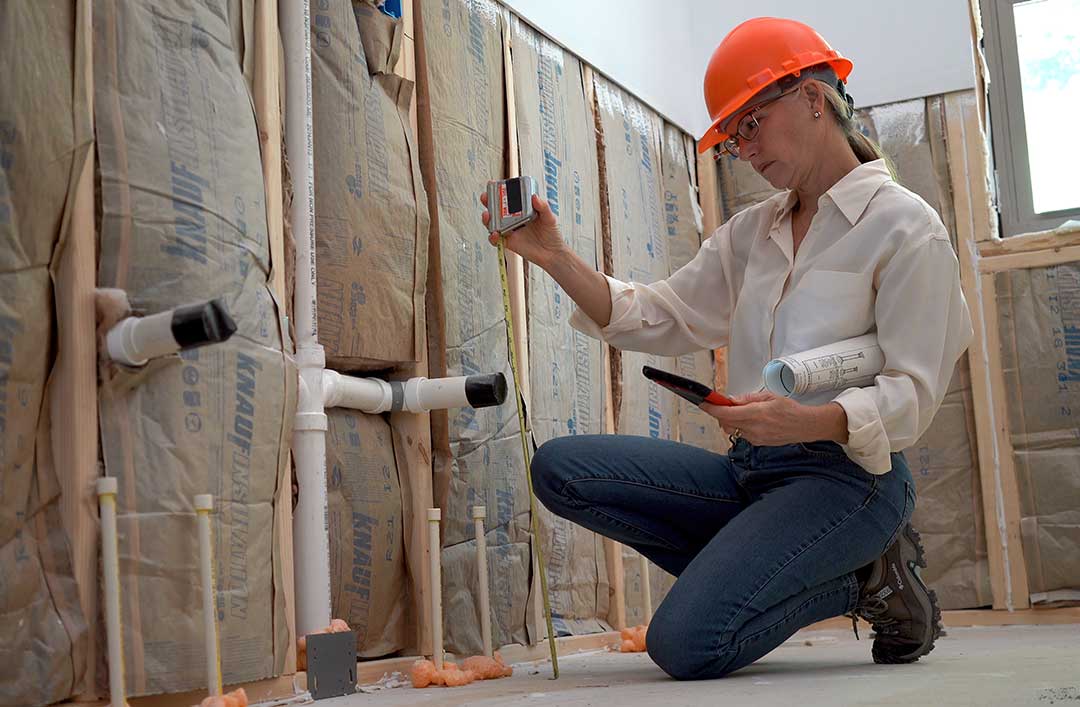
Regular cleaning and gentle faucet use prolong the lifespan of internal parts and delay the onset of drips.
What Are Common Misconceptions About Nighttime Drips?
Local residents sometimes believe that temperature changes at night cause pipes or faucet parts to contract, leading to leaks. While metal and rubber do expand and contract, these shifts are too minor to produce new drips under household conditions. The more likely explanation is existing wear combined with quieter nighttime conditions.
Some also suspect ghosts or faulty municipal water supplies when hearing a new drip. In practice, however, the cause usually lies with aging washers or seals in the home’s own plumbing.
Is a Dripping Faucet a Serious Concern?
A dripping faucet isn’t typically an emergency, but area residents should avoid ignoring it. Even a slow drip can waste several gallons of water per day—a cost that adds up over time, particularly during Baton Rouge summers when water usage spikes. Leaks can also stain sinks, leave hard water marks, or contribute to higher humidity in tight indoor spaces.
For DIY enthusiasts with basic tools, changing a faucet washer or cartridge is usually manageable. Turn off the water supply first, and consider checking local building codes if replacing fixtures in older Baton Rouge homes.
When Should Safety Be Considered?
If a leak increases suddenly, water appears discolored, or you notice rust or a strong dank odor, the issue may extend beyond just the faucet. Corroded pipes, widespread mineral buildup, or mold growth from ongoing moisture warrant careful inspection. Old homes in Baton Rouge, especially those built before modern plumbing codes, may have outdated components requiring specific fixes or safety precautions.
If signs of electrical hazards, mold, or major corrosion are present, addressing those risks should take priority before working on plumbing components.