

 See My Latest Article on HelloNation
Why Do Sink Drains Start to Smell in Baton Rouge, LA?
A sudden or persistent odor from a sink drain is often caused by decomposing debris, stagnant water, or issues with your home's plumbing system. These smells can be musty, sour, sulfurous, or reminiscent of rotten eggs—none pleasant, especially in the warm, humid climate of Baton Rouge, LA.
The causes range from buildup inside the pipes to deeper issues with sewage venting. Understanding the root of the smell will help residents address it more effectively, whether the odor comes from a kitchen, bathroom, or utility sink.
What Are the Most Common Reasons for Drain Odors?
Smelly sink drains in Baton Rouge typically point to a few scenarios:
- Organic buildup: Food scraps, soap residue, grease, or hair can get trapped inside pipes. In a humid environment like Baton Rouge, bacteria and mold multiply quickly, releasing unpleasant smells as they break down these materials.
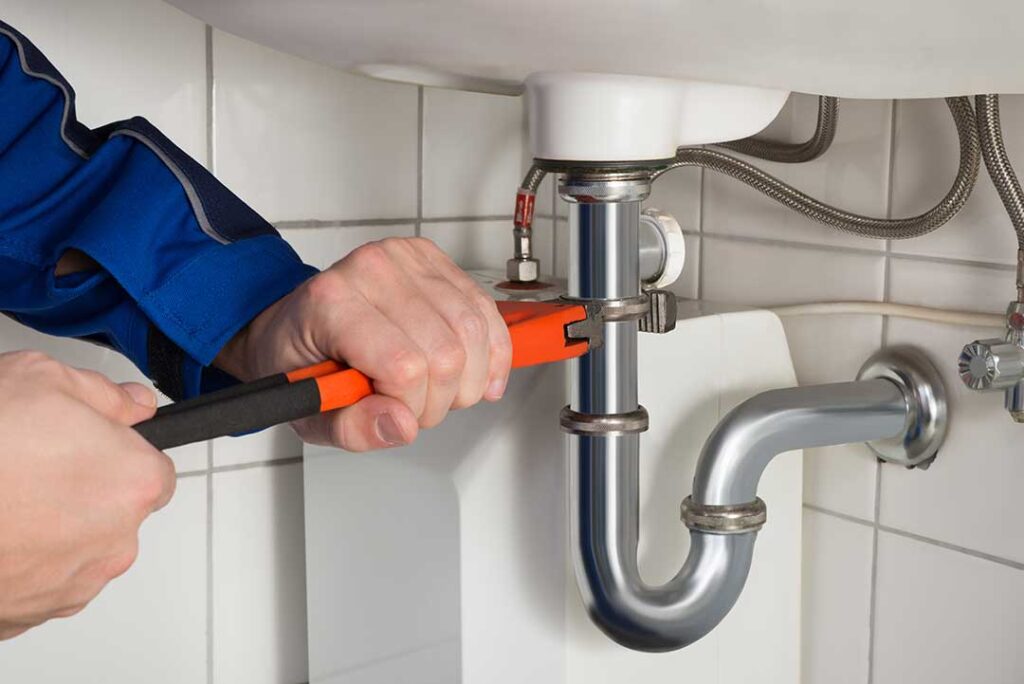
- Dry P-trap: The u-shaped pipe below the sink holds water to block sewer gases from entering the home. If the sink hasn't been used in a while—common during vacations or in less-frequented bathrooms—the trap can dry out, allowing foul air to rise into living spaces.
- Clogged or slow-draining pipes: Partial blockages from debris can slow water flow, letting organic matter linger. Standing water encourages bacterial growth and odors.
- Sewer gas leaks: A broken, cracked, or disconnected pipe, or a faulty seal, may let gases escape. This is less common, but more serious.
- Ventilation problems: Every home’s plumbing has vent pipes (often through the roof) that regulate air pressure and let odors escape outside. In places with heavy storms or fallen debris typical to Baton Rouge, vents can get blocked, pushing sewer odors back indoors.
Could Local Climate or Seasonal Conditions Make Drain Smells Worse?
Warmth and moisture speed up the breakdown of organic material inside drains. Baton Rouge’s climate, with frequent rain and high humidity from spring through late fall, means bacteria and mold thrive in damp plumbing systems.
During long, rainy periods, drains can see more use, and outdoor plumbing vents can become blocked with leaves or debris. Conversely, stretches of dry weather or holiday travel can cause infrequently used drains to dry out, removing the water barrier in traps and letting odors rise.
Are There Health or Safety Risks Associated with These Odors?
For most residents, the smell itself is primarily a nuisance. However, persistent sewer-like odors coming up from the drain can signal a more serious problem:
- Sewer gases may contain hydrogen sulfide, methane, and ammonia. In high concentrations, these can be hazardous, but typical household scenarios rarely reach dangerous levels.
- Mold growth inside pipes or under sinks may worsen allergies or asthma.
If the smell is overpowering, accompanied by gurgling noises, frequent drain backups, or you notice water stains, it’s best to investigate further to prevent structural or health concerns.
What Steps Can I Take to Identify and Fix the Source?
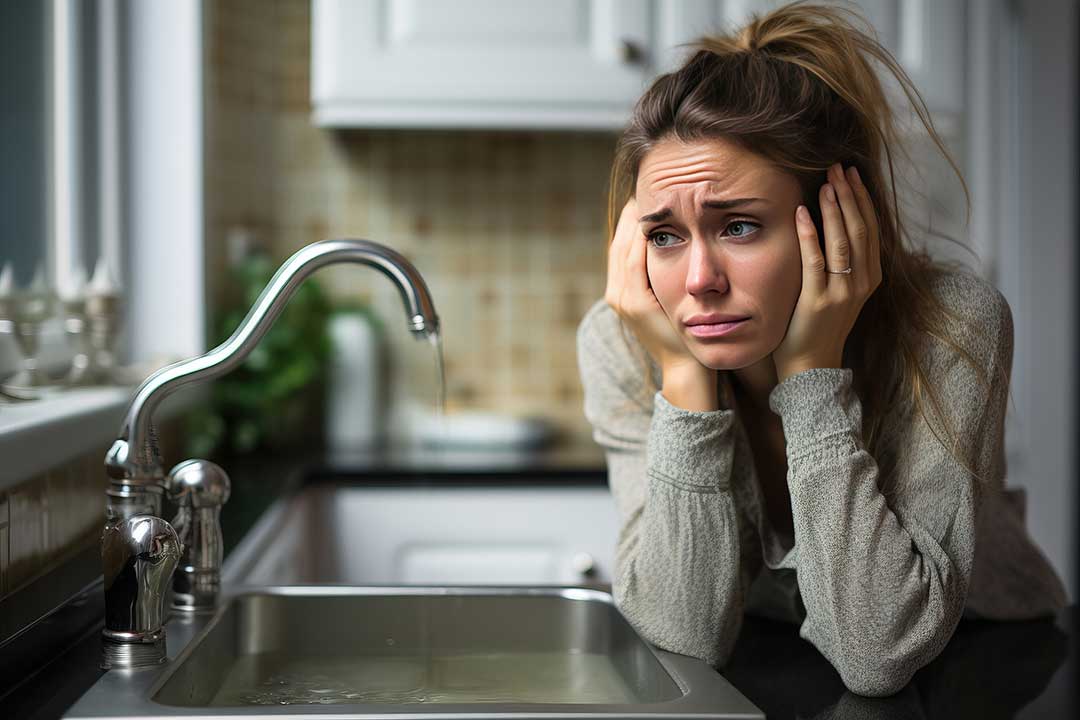
Start with sight and smell tests, and work through simple solutions first:
1. Flush the trap: Pour a few cups of water down rarely used drains to refill the P-trap.
2. Clean the drain: Use a bottle brush or a bent wire to pull out trapped hair or debris. Rinsing with a solution of baking soda followed by vinegar can help neutralize odors, but should be done gently to avoid pipe damage.
3. Check for leaks: Look under the sink for moisture, damaged pipes, or missing trap pieces. Water stains or a musty odor under the cabinet can mean the drain is leaking.
4. Investigate vent pipes: If multiple drains smell, especially after storms, a roof vent could be clogged. While some visual inspection is possible, physically clearing roof vents should only be handled with proper safety awareness.
5. Monitor for recurring problems: If smells return quickly after cleaning or flushing, or if other fixtures are slow, there may be a deeper blockage or a venting issue.
Are There Misconceptions About Drain Odors in Baton Rouge?
One common misunderstanding is that all sink odors come only from food or soap residue. While build-up is a factor, deeper plumbing or vent problems are often overlooked, especially in older Baton Rouge homes where plumbing layouts may be complex or have undergone patchwork repairs.
Some also assume odors will go away with use, but if the P-trap is leaking or there’s a persistent blockage, using the sink may worsen the smell.
When Should Residents Seek Further Help?
Most drain odors can be handled by thorough cleaning and regular use. However, if you notice any of the following, a deeper plumbing evaluation may be warranted for safety and peace of mind:
- Odors that return quickly after cleaning
- Multiple fixtures smelling at the same time
- Water backing up or slow draining in several places
- Evidence of sewer gas (rotten egg smell) throughout the house
- Visible water leaks around drain pipes
In these scenarios, the issue could be related to the main plumbing vent, a broken drain line, or sewer system problems. For the safety of area households, these types of problems should be taken seriously, but minor odors associated with organic matter buildup or infrequent use are generally safe to address independently.