
 See My Latest Article on HelloNation
What Counts as a Serious Toilet Problem?
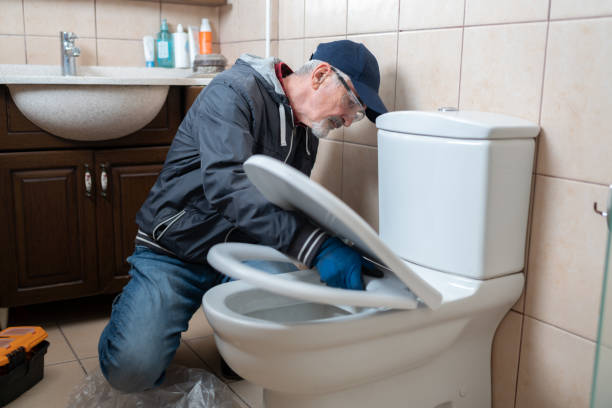
Most minor toilet troubles—like a stuck handle or a gentle running noise—can be fixed by homeowners with basic tools and patience. However, certain issues should not be ignored or treated with temporary fixes. In Baton Rouge, LA, with its humid climate and aging mix of historic and newer homes, some toilet problems can signal hidden leaks, potential water damage, or unsanitary conditions that need expert handling.
Immediate red flags that often warrant outside help:
- Water pooling around the toilet base, which frequently means a failed wax ring or a cracked toilet foundation
- Sewage smells coming from the toilet, signaling possible drain pipe issues or a broken seal beneath the toilet
- Repeated or worsening clogs despite routine plunging, which may point to a deeper blockage in the line
- Gurgling noises in other drains when the toilet is flushed
- The toilet is loose or rocks significantly, which can further damage floor structure over time
If any of these situations appear, delay can lead to more costly repairs or even create a health risk in the home.
Is a Constantly Running or Leaking Toilet a Safety Issue?
A running or leaking toilet in Baton Rouge is rarely an emergency from a safety standpoint, but it should be handled quickly because of its costs and complications. The city’s water prices and environmental priorities make wasted water a financial and community concern. Leaks around the base can also promote mold growth under tile floors, particularly in humid climates.
Sometimes, tightening bolts or replacing a flapper will resolve the problem. But if water shows up outside the tank, if repairs stop working, or if you notice a musty smell that persists, a leak may be hidden—or the toilet itself may be cracked. These are times when area homeowners often call for help.
Are All Toilet Clogs a Reason to Worry?
Most single clogs, like when a child drops a toy in the bowl or too much tissue is flushed, can be safely resolved with a standard plunger. Avoid using chemical drain cleaners in homes with older pipes, as these can sometimes cause more harm than good.
Clogs that come back repeatedly, cause water to rise in other drains (such as the shower or sink), or make loud gurgling sounds when the toilet flushes may indicate a deeper blockage or an issue with the main sewer line. Baton Rouge neighborhoods with established pecan and oak trees sometimes have root intrusion in older clay or cast iron pipes. Deep or main line blockages nearly always require specialized tools and knowledge to clear safely.
When Should You Worry About Water Damage?
Water around the toilet base often goes unnoticed until floors start to buckle or a dark stain appears on the ceiling below an upstairs bathroom. Baton Rouge’s mix of older homes and heavy rainfall can worsen the impact of overlooked leaks, as wooden subfloors in high-humidity environments are especially susceptible to rot and mold.
You should be alert if:
- The floor near the toilet feels soft
- Flooring around the toilet is discolored or damp
- You smell mildew but can’t identify the source
In these cases, professional repairs are often necessary to prevent further, potentially structural damage.
What About Low-Flow or Weak Flushing Toilets?
Low water pressure or weak toilet flushes can sometimes be traced to mineral buildup, especially in areas with hard water. Baton Rouge’s municipal supply is generally considered soft, but some neighborhoods have issues with old or corroded supply lines. Chronic weak flushing, especially in homes where multiple toilets or drains are affected, can also be a symptom of a larger issue. These might include a failing vent stack, obstructed waste lines, or aging infrastructure—problems that are not easy to diagnose or solve without the right tools.
Are Toilet Repairs Requiring Specialized Tools Common in Baton Rouge?
Certain plumbing codes and regional building patterns make a difference in the types of repairs needed. For example, toilets installed in slab-on-grade homes may have their waste lines encased directly in concrete. If the flange, drainpipe, or wax seal is compromised, specialized tools—and sometimes concrete cutting—are needed. Attempting to repair such setups without proper understanding can lead to more expensive problems.
When Is It a Legal or Safety Requirement to Seek Help?
Residents should know that persistent sewage odors, gray water backups, and cross-contamination incidents may fall under local health codes or homeowner association rules. Ignoring these issues can result in penalties and, more importantly, unhealthy living conditions for occupants and neighbors.
For anyone unsure about Baton Rouge rules, or if a toilet backup involves raw sewage or water damage that affects other units in a multi-family property, it is always safest to err on the side of caution.
Common Misconceptions About Toilet Problems
Many area residents believe some myths that can make issues worse:
- Tighter is always better—Overtightening bolts or connections can crack porcelain or warp seals.
- All toilet leaks are obvious—Slow leaks can cause hidden subfloor rot long before visible signs appear.
- DIY drain chemicals will fix any clog—These may corrode older pipes, especially in historic Baton Rouge areas.
- A rocking toilet just needs a shim—Movement often signals bigger problems, like a damaged flange or underlying rot.
These misunderstandings illustrate why knowing when to call for help is as much about recognizing what you don’t see as what you do.
What Can Baton Rouge Residents Do Before Seeking Outside Help?
For minor problems:
- Try plunging with a proper flange plunger, which is more effective for toilets than those designed for sinks.
- Replace worn tank parts (like a flapper, chain, or handle) if you feel comfortable.
- Check for simple obstructions such as toys or dropped objects that can be gently retrieved.
If these steps fail, the issue recurs soon after fixing, or signs point to hidden damage, it's likely time for expert assessment.