
 See My Latest Article on HelloNation

What Are Hidden Water Leaks and Why Do They Happen?
Hidden leaks are water escapes that occur in places not immediately visible—behind walls, under floors, or within ceilings. In Baton Rouge, local factors such as humid climate, shifting soil, and older plumbing systems increase the risk. These leaks often develop slowly, making them easy to overlook until bigger problems like mold or water damage appear.
How Can You Tell if There’s a Hidden Leak in Your Home?
The first sign is often unexplained changes in water usage. If a household's water bill suddenly rises without a clear reason, a concealed leak could be the cause. Baton Rouge residents may also notice these clues:
- Damp or musty smells, especially during hot, humid months
- Discolored stains, bubbling paint, or warping walls and floors
- Sounds of dripping or running water when all fixtures are off
- Lower water pressure in faucets or showers
Simple checks like monitoring the water meter—turning off all water and noting the reading—can help confirm a leak if the meter still changes over time.
What Are the Most Common Places Hidden Leaks Occur in Baton Rouge?
Local homes often face hidden leaks in:
- Bathroom and kitchen pipes running inside walls, where humidity accelerates pipe wear
- Slab foundations, especially common in area homes built on heavy Baton Rouge clay soils
- Laundry rooms and water heater closets
- Attics and roofs after seasonal storms or hurricanes
With many homes using pier-and-beam or concrete slab foundations, leaks can remain undetected right underfoot.
How Do You Track Down the Source of a Leak?
Start by narrowing the location:
1. Isolate fixtures: Turn off water supply to toilets or appliances one at a time. Listen for changes in dripping or check for water meter movement.
2. Check accessible piping: In crawl spaces, look for wet patches, corrosion, or mineral deposits on exposed pipes.
3. Use dye tests: Food coloring in toilet tanks or tubs can reveal leaks that seep out unseen.
4. Smell for mold: An earthy, persistent odor in a closed room can often indicate chronic dampness linked to a leak.
In humid months, condensation can be mistaken for a leak. Running cool water through pipes can cause exterior sweating, especially on uninsulated lines.
What’s Involved in Fixing a Hidden Leak Yourself?
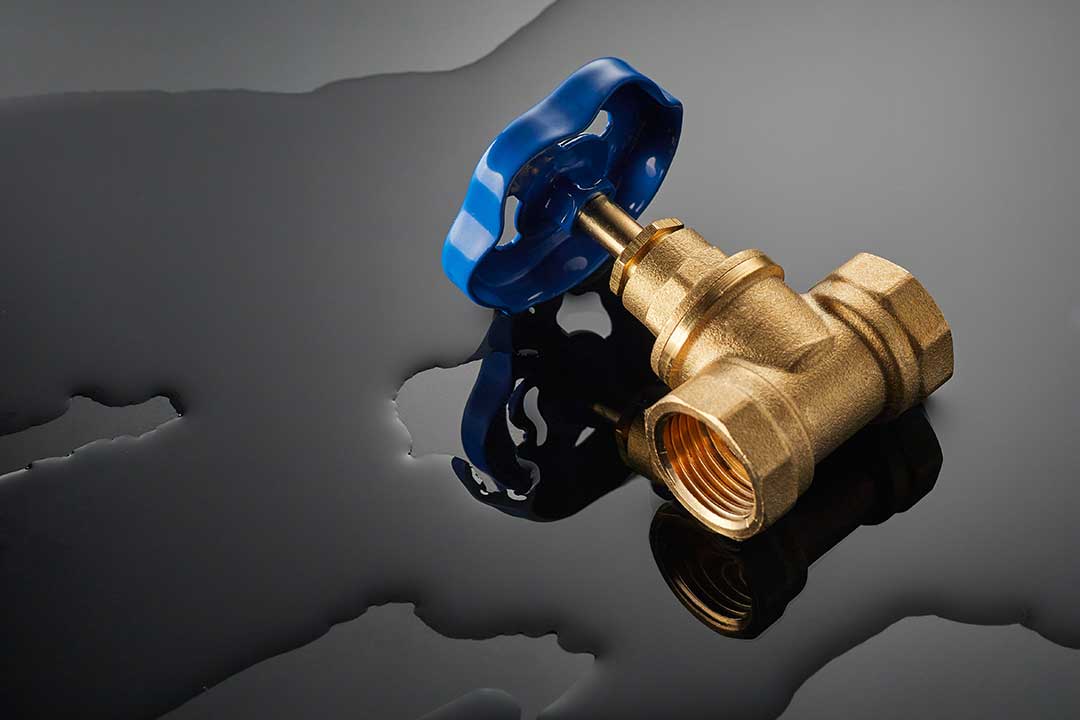
After locating the leak, the next steps depend on accessibility and severity:
- For pipes behind drywall, carefully cut a small opening to inspect the area—contain dust and avoid electrical wires.
- Small pipe holes can be patched temporarily using pipe repair clamps or epoxy putty.
- Damaged bathroom caulking should be removed and replaced to block water intrusion behind tile.
- For minor slab leaks, turning off water supply and applying a patch may hold, but extensive slab leaks typically require more intrusive repair.
Always shut off the main water supply before any repair. If the leak is near electrical wiring, safety is paramount—avoid contact and consider professional help for these cases due to risk of shock or code violation.
What Should Residents Know About Long-Term Risks?
Hidden leaks can trigger mold growth, termite infestation, and foundational weakening—issues worsened by the area’s warm, moist air and clay-heavy soil. Prolonged leaks encourage rot and mildew, which may harm indoor air quality and damage building materials. Monitoring for leaks after major rain, freeze events, or settling is especially recommended in the local climate.
Are There Common Mistakes or Misconceptions When Locating Leaks?
Many assume all plumbing leaks will be obvious (visible puddles or dripping), but slow leaks behind walls or under flooring may only show subtle changes at first. Another misconception is blaming all dampness on rain intrusion; in fact, plumbing leaks can be mistaken for roof or window leaks, especially after storms. Baton Rouge residents sometimes delay repairs, hoping small leaks will stop, but most worsen over time, increasing the likelihood of expensive restoration.
When Should Safety or Local Rules Guide DIY Decisions?
If a leak is near electrical conduits, involves gas lines, or is within a slab foundation, halting work and seeking additional expertise is the safest approach. Louisiana plumbing codes also regulate some repairs—especially those involving main supply or sanitary waste lines. For renters, landlords are often responsible for substantial repairs due to health and structural implications.