
 See My Latest Article on HelloNation
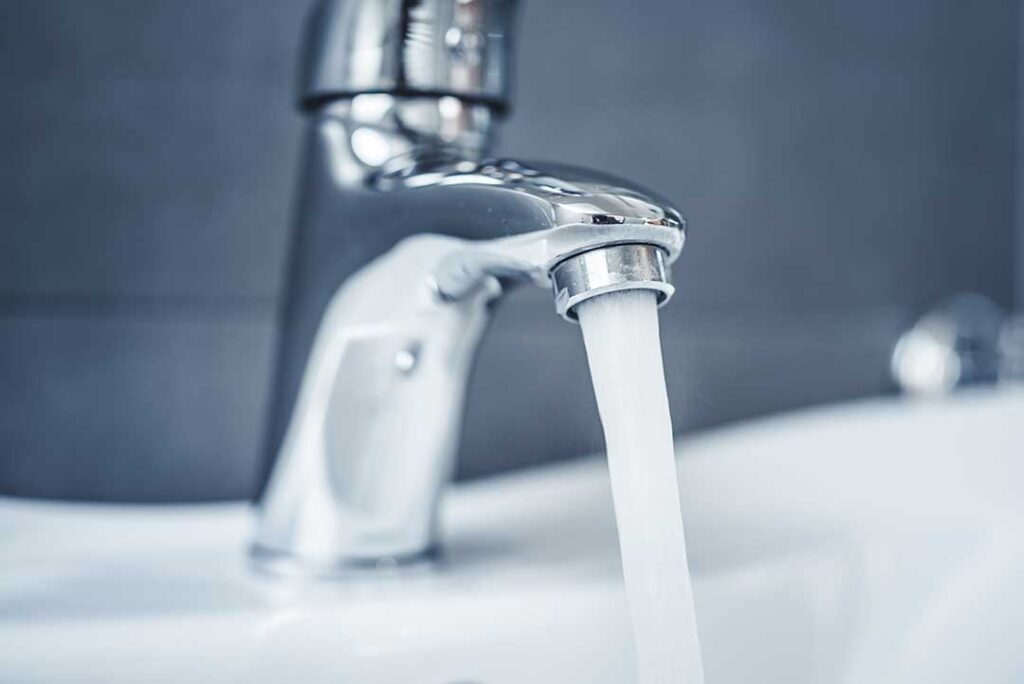
Why Did My Water Bill Go Up Without Warning?
A spike in the water bill often comes as an unwelcome surprise for many Baton Rouge, LA households. The change might be dramatic or just enough to cause concern, but it always prompts a few immediate questions. The reasons behind a sudden increase are usually traceable, but sometimes the cause is less visible than a leaky faucet.
Could a Leak Be to Blame?
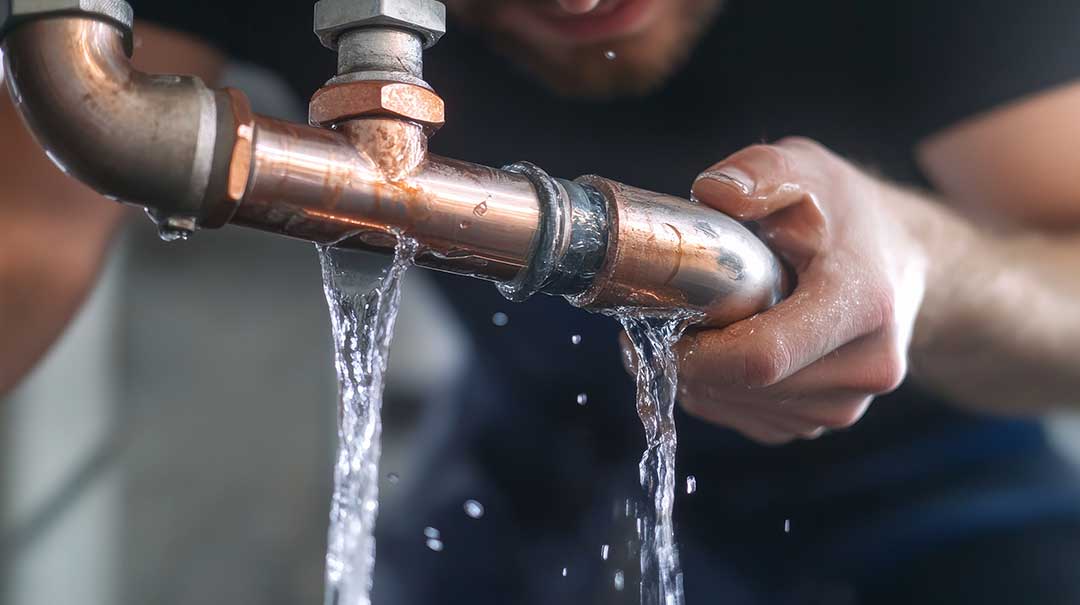
Leaks are the leading cause of unexplained water bill increases for area homeowners. Even a slow, hidden leak can waste hundreds or thousands of gallons over a billing cycle. A running toilet is among the most common culprits, often due to a worn-out flapper or faulty fill valve. Leaky faucets may appear minor but can add up over weeks.
Silent leaks sometimes occur underground or in walls. Look out for:
- Damp spots in the yard even during dry stretches
- Unusual mildew smells or new wall discoloration
- The sound of water running when all taps are off
A useful test at home: Note your water meter reading, wait two hours without using water, then check again. Any change may indicate a leak.
Are Seasonal Habits Affecting Water Usage?
Changing weather in Baton Rouge can lead to higher water use at certain times of year, especially during the region’s hot summers. Many households increase outdoor watering, fill swimming pools, or use more water for cooling off.
Typical seasonal factors include:
- Lawn and garden irrigation
- Filling or topping off pools
- Extra loads of laundry after outdoor activities
Often, residents only notice the increase when the bill arrives, making seasonal spikes seem sudden when they’re actually cumulative.
Do Plumbing Fixtures or Appliances Use More Than Expected?
Older toilets, showerheads, and washing machines tend to use significantly more water than modern, efficient models. Baton Rouge, LA homes with original fixtures or older appliances are more prone to creeping increases in water usage, especially if guests visit or family routines change.
Additionally, an appliance malfunction, such as a stuck fill valve in a toilet or a leaking water heater, may go unnoticed but use water continuously. Periodically checking behind or underneath appliances for dampness helps reveal these hidden issues before bills rise further.
Is the Water Meter Reading Accurate?
Meters rarely fail, but errors do happen, especially after meter maintenance, replacement, or movement in the ground. If a bill seems out of proportion to your usual habits and no leak or usage change is obvious, compare the meter reading listed on your bill to your current meter. Contact the utility with any discrepancies.
Remember, recent changes in billing periods or rates—whether through local government adjustment or utility policy—can also raise the total due, even if usage hasn't changed.
Have There Been Household or Policy Changes?
Sometimes shifts in household routines lead to a higher bill, even if not immediately obvious. Some overlooked examples include:
- Hosting guests or having family visit for extended stays
- Adding irrigation systems, dishwashers, or new laundry routines
- Children home for school breaks
Recent updates to local conservation regulations or watering restrictions might also influence when and how much residents are allowed to water outdoors, changing habits in the process.
My Bill Is Still High—What Should I Do Next?
If checking for leaks and reviewing usage habits brings no clear answer, try these approaches:
- Review at least a year’s worth of bills to spot seasonal patterns
- Inspect seldom-used areas (guest bathrooms, outdoor spigots) for unnoticed drips
- Verify start and end dates on the most recent bill
If you rent your home, compare notes with your property manager or neighbors to see if similar issues are being reported in the area, which could help identify a neighborhood-wide problem or an issue with shared infrastructure.
Common Misconceptions About High Water Bills
A few frequent misunderstandings can lead to confusion:
- Water softeners or filters rarely cause significant increases unless malfunctioning
- Short showers and routine toilet use should not create large month-to-month changes unless a fixture is faulty
- Increasing water temperature (setting a higher heater temperature) doesn’t increase water usage, just energy use
Understanding that not every bill spike points to a catastrophic plumbing issue may help to calm immediate worries. Careful observation, routine checks, and awareness of household changes can usually uncover the cause without stress.