
 See My Latest Article on HelloNation
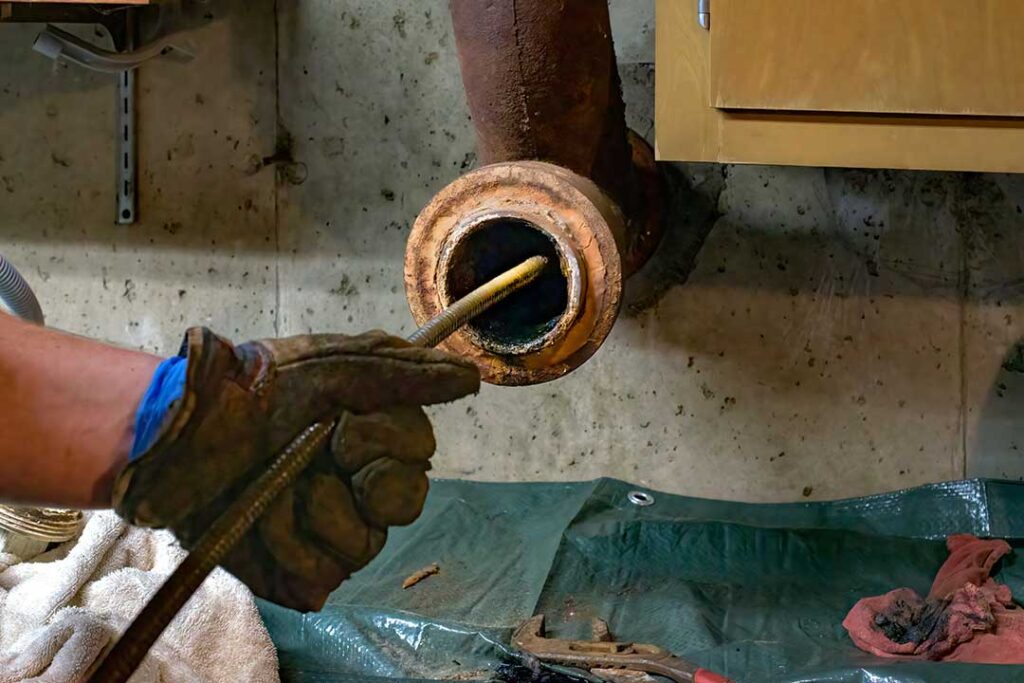
Frozen pipes are less common in Baton Rouge than in areas with long, severe winters, but short cold snaps can still damage plumbing. Pipes are most vulnerable when temperatures remain below freezing for several hours, especially in unheated spaces, exterior walls, garages, crawlspaces, attics, and under raised homes.
A frozen pipe may only reduce water flow at first. The greater concern is that ice expands inside the pipe, increasing pressure between the ice blockage and a closed faucet or valve. The pipe can split before the ice fully melts, causing a sudden leak.
How can you tell if a pipe is frozen?
The clearest sign is little or no water coming from a faucet, particularly if other fixtures still work. A frozen section may also cause unusual noises, frost or condensation on exposed piping, or a toilet tank that does not refill.
Check for:
- A faucet that produces only a trickle or no water
- Reduced pressure at one fixture
- Frost on visible pipes
- Bulging, cracking, or damp areas around pipe walls
- Unusual banging when a faucet is opened
- Water appearing after temperatures rise
If several fixtures lose water at the same time, the problem may involve the main supply line or a broader water outage rather than one frozen pipe. If only one fixture is affected, the frozen section is more likely to be nearby.
What should you do first?
Open the affected faucet slightly, then locate the home’s main water shutoff valve. Opening the faucet relieves pressure as the ice begins to melt. Knowing where the shutoff is located is especially useful in homes with older plumbing, additions, or areas that are difficult to access quickly.
The main shutoff may be near the water meter, where the supply line enters the home, or in a utility area. Make sure the valve can turn before freezing weather arrives, but do not force a stuck valve.
If a pipe has already burst, shut off the main water supply immediately. Turn off electricity near standing water only if it can be done without touching wet electrical equipment or standing in water. If there is a serious electrical hazard, leave the area and seek emergency assistance.
How do you safely thaw a frozen pipe?
Apply gentle, steady heat to the suspected frozen section while keeping the faucet open. Start near the faucet and work gradually toward the blockage. This allows melting water and pressure to escape through the open fixture.
Safer heat sources include:
- A hair dryer used carefully and kept away from water
- Warm towels replaced as they cool
- A portable heater positioned well away from flammable materials
- Gentle warm air in an accessible cabinet or utility space
Never use an open flame, torch, charcoal device, propane heater, or other combustion source to thaw plumbing. These methods can ignite building materials, damage the pipe, or create dangerous indoor fumes.
Do not pour boiling water directly over a pipe. Sudden temperature changes can damage some materials, and hot water may splash or create a burn hazard. Avoid using high heat on plastic piping, electrical wiring, painted surfaces, or enclosed areas where the heat cannot be monitored.
Remain nearby while thawing. Water may begin leaking as soon as a split opens, even if the pipe looked intact while frozen.
What if the pipe bursts while thawing?
A burst pipe requires immediate water control. Close the main shutoff, open a nearby faucet to reduce pressure, and move belongings away from the leaking area if it is safe to do so.
Water can travel inside walls, ceilings, cabinets, and flooring before the visible damage appears. Remove standing water promptly and use fans only where electrical conditions are safe. Wet insulation, drywall, flooring, and stored materials may continue causing damage even after the leak stops.
Warning signs of a hidden break include:
- Water stains or sagging ceilings
- Damp drywall or baseboards
- A musty odor
- Continuous movement on the water meter when all fixtures are off
- Water pooling beneath a home or near a wall
- A sudden drop in water pressure after thawing
A licensed plumber may be needed when the pipe is inside a wall, under a slab, beneath a home, or connected to a damaged water heater or backflow device. Repairs should be completed before the water system is placed back under full pressure.
Which pipes are most vulnerable in Baton Rouge?
Local homes can have very different plumbing layouts. Houses with crawlspaces, raised foundations, open garages, outdoor utility rooms, or plumbing in exterior walls may have sections that cool more quickly than indoor pipes.
Commonly vulnerable areas include:
- Outdoor faucets and hose connections
- Pipes running through garages or unheated storage spaces
- Supply lines near exterior walls
- Pipes beneath raised floors or in crawlspaces
- Plumbing near attic vents
- Irrigation components and exposed backflow devices
- Uninsulated pipes in additions or enclosed porches
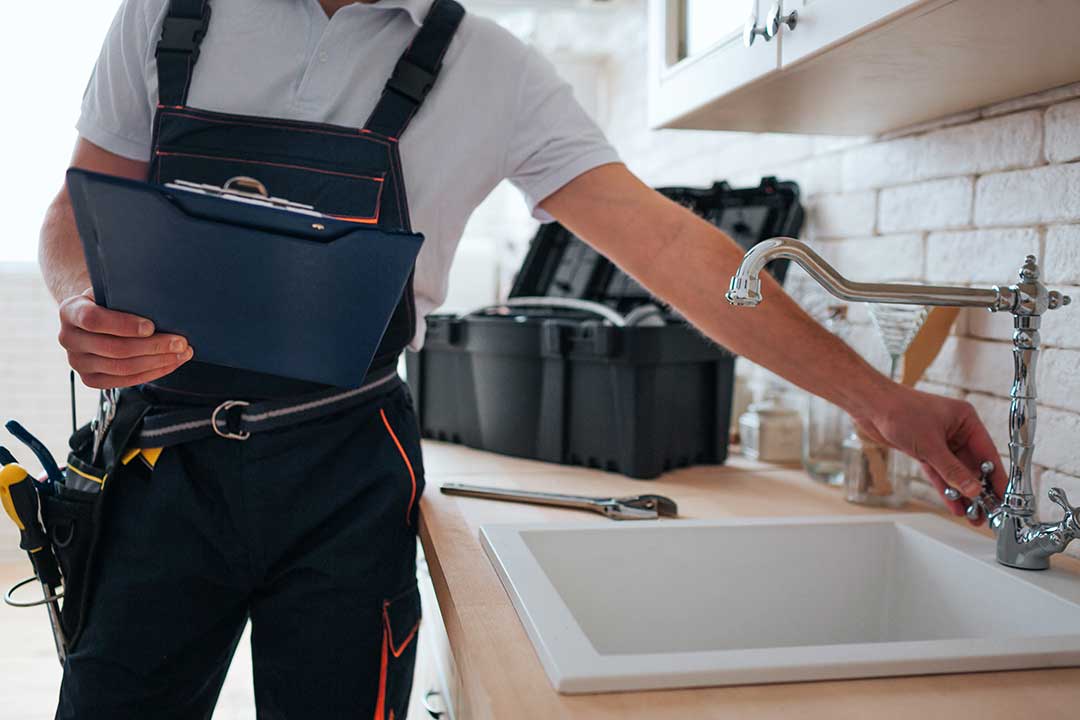
Short freezes can be especially disruptive because homes may not be designed for sustained cold. A pipe that normally remains safe through mild winters may still freeze during an unusually long overnight cold period.
How can you prevent freezing during a cold snap?
Before freezing weather, disconnect garden hoses and drain outdoor faucets if the plumbing design allows it. Insulate exposed pipes with appropriate pipe insulation, especially in unheated areas. Close garage doors and cover gaps that allow cold air to reach plumbing.
Inside the home, open cabinet doors beneath sinks located against exterior walls. This allows warmer indoor air to circulate around the supply lines. Keep the thermostat set consistently, including overnight and during brief absences.
If a hard freeze is expected:
- Let vulnerable indoor faucets drip slightly
- Confirm that exposed pipes are insulated
- Keep heat circulating through the home
- Protect pipes beneath raised structures from direct cold airflow
- Avoid turning the heat off while away
- Know the location of the main water shutoff
A dripping faucet is not a substitute for insulation or adequate heat, but a small flow can reduce the chance of water remaining completely still in a vulnerable line. Use this approach only when the fixture and drain can handle the flow.
Does a frozen pipe always need to be replaced?
Not necessarily. A pipe that freezes without splitting may continue working after it thaws. However, freezing can weaken pipe walls, fittings, valves, and connections. Inspect the area carefully while water pressure is restored.
Turn the main water supply on slowly. Watch exposed plumbing and listen for running water when all fixtures are closed. If the meter continues moving, shut the water off again and look for a leak.
Even when no immediate break is visible, recurring freezing suggests a design or insulation problem. The long-term solution may involve relocating a pipe, sealing an air leak, improving insulation, or protecting an outdoor connection rather than repeatedly thawing the same section.
What should renters and homeowners document?
Take photographs of visible damage, note when the water loss began, and record which fixtures were affected. Keep information about the shutoff location, damaged materials, and steps taken to limit the leak.
For rental housing, notify the property owner or manager promptly after shutting off water if possible. Avoid cutting into walls or removing permanent fixtures without permission unless immediate action is necessary to prevent significant damage.
The safest response is to reduce pressure, thaw slowly, monitor continuously, and shut off water immediately if a leak appears. In Baton Rouge, preparation for occasional hard freezes can prevent a small cold-weather problem from becoming extensive water damage.