

 See My Latest Article on HelloNation
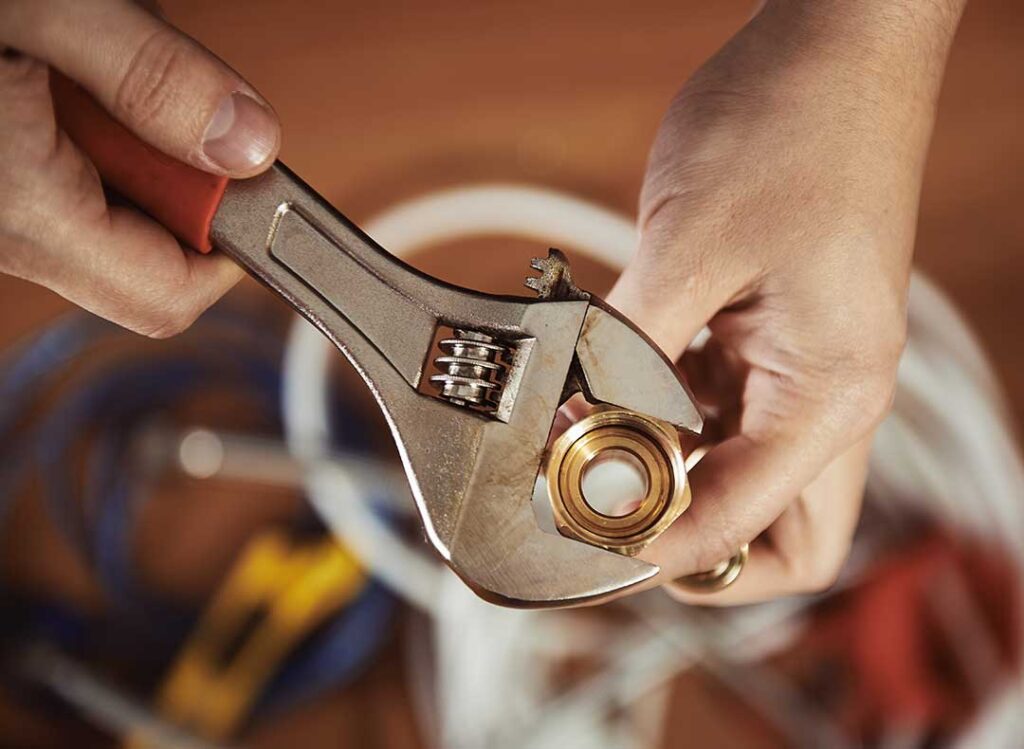
A plumbing emergency kit gives household members the basic tools and supplies needed to limit water damage, protect personal safety, and handle minor problems until normal repairs are possible. It should be stored where it can be reached quickly, not in a damp area, locked cabinet, or crowded garage corner.
For homes in Baton Rouge, LA, preparation is especially useful during severe thunderstorms, power interruptions, extended heat, and occasional freezing weather. A supply that is practical for everyday leaks may also help protect a home when water service, drainage, or electricity is disrupted.
What should every plumbing emergency kit contain?
Every kit should include items for shutting off water, collecting leaks, making temporary seals, clearing simple clogs, and protecting the person using the tools.
Essential supplies include:
- Adjustable wrench
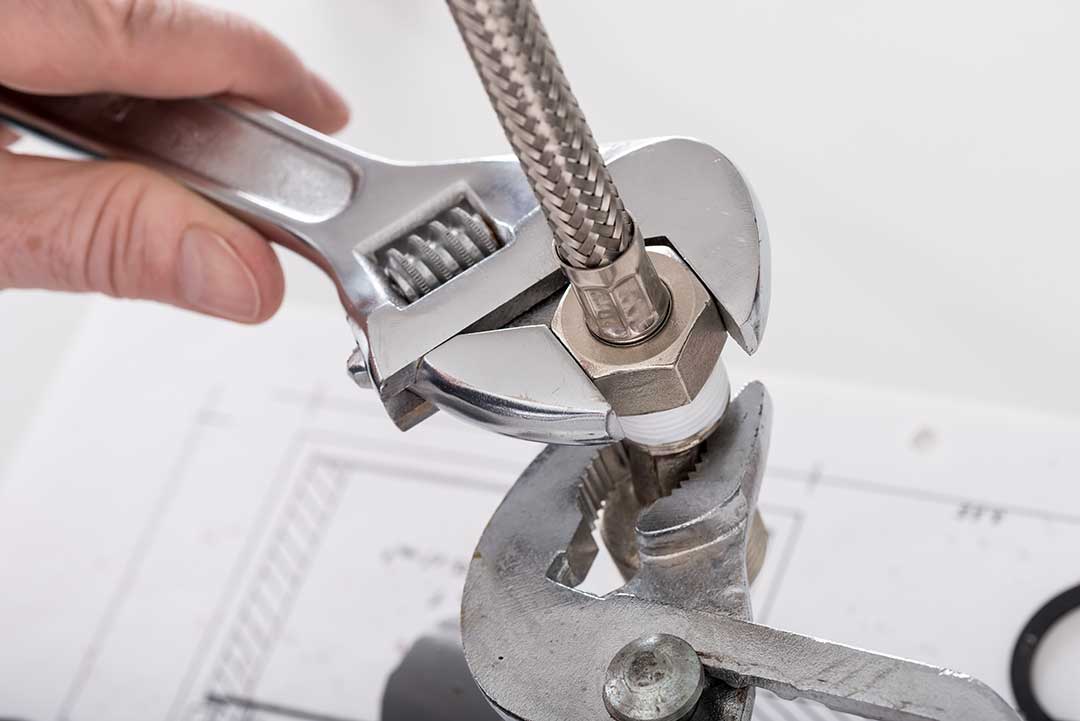
- Tongue-and-groove pliers
- Basin wrench for tightening or loosening faucet connections
- Flat-head and Phillips screwdrivers
- Small bucket or sturdy plastic container
- Absorbent towels, rags, and disposable gloves
- Flashlight with spare batteries
- Utility knife
- Plumber’s tape, also called thread-seal tape
- Plumber’s putty for appropriate sink and drain repairs
- Replacement washers and faucet O-rings
- A few common-size hose clamps
- Short lengths of flexible rubber sheet or thick plastic for temporary patches
- Hand-operated cup plunger
- Flanged toilet plunger
- Heavy-duty trash bags
- Permanent marker and masking tape for labeling valves or damaged fixtures
A basic kit does not need to contain every plumbing tool. The goal is to keep simple, safe tasks manageable while avoiding unnecessary repairs that could make the problem worse.
Why are shutoff tools more important than repair tools?
Stopping water flow usually limits damage faster than attempting a repair. A household should know the location of the main water shutoff, fixture shutoffs, and water heater shutoff before an emergency occurs.
Fixture shutoff valves are commonly found beneath sinks and behind or beside toilets. They may also be located near washing machines, dishwashers, or other water-connected appliances. The main shutoff may be inside the home, near the point where the water line enters, or in another accessible area depending on the property.
The kit should include:
- A labeled tag or marker for identifying shutoff valves
- A wrench suitable for the main shutoff if it requires a tool
- A small headlamp for working in dark areas
- A written note showing the location of the main valve and water heater controls
Do not force a stuck valve aggressively. Old valves can break, leak, or become impossible to operate if excessive pressure is applied. Test accessible shutoffs occasionally by turning them gently and returning them to their normal position.
What supplies help with a leaking pipe?
A plumbing emergency kit can support a temporary patch, but temporary materials are not a permanent replacement for damaged pipe.
For a small leak, useful supplies include plumber’s tape, rubber patching material, hose clamps, and waterproof tape designed for temporary use. A bucket should be placed beneath the leak before attempting to wrap or tighten anything. Drying the pipe surface helps temporary materials grip more effectively.
The water should be shut off before loosening a connection or applying a patch. Never cover an active leak without first reducing water pressure when possible. A hidden leak behind a wall, under flooring, or near electrical wiring requires extra caution because surface materials may conceal a larger problem.
Water near outlets, electrical panels, appliances, or extension cords should be treated as a shock hazard. Avoid standing in pooled water while handling electrical equipment.
Which drain-clearing items belong in the kit?
A plunger is usually the first tool to try for a slow or blocked drain. A cup-style plunger is intended mainly for sinks and tubs, while a flange-style plunger is shaped to seal a toilet opening.
A small drain hand auger can help with some localized clogs, but it should be used carefully. Pushing too forcefully can damage fragile fixtures or drive a blockage farther into the line.
Avoid relying on chemical drain cleaners as a standard kit item. They can create hazardous fumes, damage some plumbing materials, and leave caustic liquid in a drain when mechanical clearing is attempted later. Mixing different drain chemicals can produce dangerous reactions.
For recurring blockages, multiple slow drains, sewage odors, or wastewater backing up through a tub or floor drain, a plunger may not address the underlying problem. Those signs can indicate a larger drainage issue rather than a single fixture clog.
Should a plumbing emergency kit include toilet supplies?
Yes. A toilet problem is disruptive, and several inexpensive supplies can help prevent an overflow from spreading.
Keep a dedicated toilet plunger, rubber gloves, disinfecting cleaner, absorbent towels, and heavy-duty bags in or near the kit. A small plastic container can be used to remove excess water from a bowl or tank if needed.
If a toilet begins to overflow, turn the fixture’s shutoff valve clockwise. If the valve does not work, use the main water shutoff. Do not continue flushing to see whether the blockage clears.
Do not place wipes, paper towels, hygiene products, grease, or other unsuitable materials in the toilet. Products marketed as flushable may still contribute to blockages, particularly in older or heavily used drainage systems.
What should be added for weather-related emergencies?
Seasonal conditions affect what a household may need. During hot, humid periods, a leak can quickly contribute to damp materials, mold growth, or damage to cabinets and flooring. During severe storms, power loss can affect sump pumps, well systems, sewage pumps, and appliances connected to plumbing.
Useful additions include:
- Battery-powered lantern or headlamp
- Spare batteries
- Portable phone charger
- Moisture-resistant storage container
- Plastic sheeting
- Waterproof notebook and pencil
- Copies of home utility shutoff information
- Extra drinking water stored separately from repair supplies
Even though prolonged freezes are less common, cold snaps can still threaten exposed pipes, outdoor faucets, and unheated areas. Insulating materials, faucet covers, and a basic thermometer can help identify vulnerable areas before temperatures fall.
Never use an open flame or high-temperature device to thaw a frozen pipe. Gentle warming methods and careful monitoring are safer, but a pipe that has split may begin leaking as it thaws.
How should the kit be stored and maintained?
Store the kit in a dry, accessible location away from children and household chemicals. A clearly labeled waterproof container is useful, especially if the same supplies may be needed during a storm or power outage.
Review the kit twice a year. Replace dead batteries, dried-out tape, damaged gloves, corroded tools, and expired cleaning products. Check that the plunger remains flexible and that spare washers or O-rings match the fixtures in the home.
It is also helpful to keep a simple emergency card with:
- Main water shutoff location
- Water heater shutoff location
- Locations of fixture valves
- Whether the home uses a sump pump, sewage pump, or well system
- Instructions for shutting off power to affected equipment
- Important warnings about areas where water and electricity may meet
When should a plumbing emergency stop being a do-it-yourself task?
Basic tools are appropriate for controlling a small leak, clearing a simple clog, or replacing a worn washer. The situation exceeds a household emergency kit when water cannot be shut off, a pipe has burst, sewage is entering the home, a ceiling is bulging, water is near electrical equipment, or a repair requires opening walls or floors.
A gas odor near a water heater or other appliance is not a plumbing repair situation. Leave the area without operating switches, flames, or electrical devices, and follow local emergency guidance.
The most valuable part of an emergency kit is not a specialized tool. It is knowing how to stop water safely, recognizing when a problem is larger than a temporary repair, and having the right basic supplies in one clearly marked place.