

 See My Latest Article on HelloNation
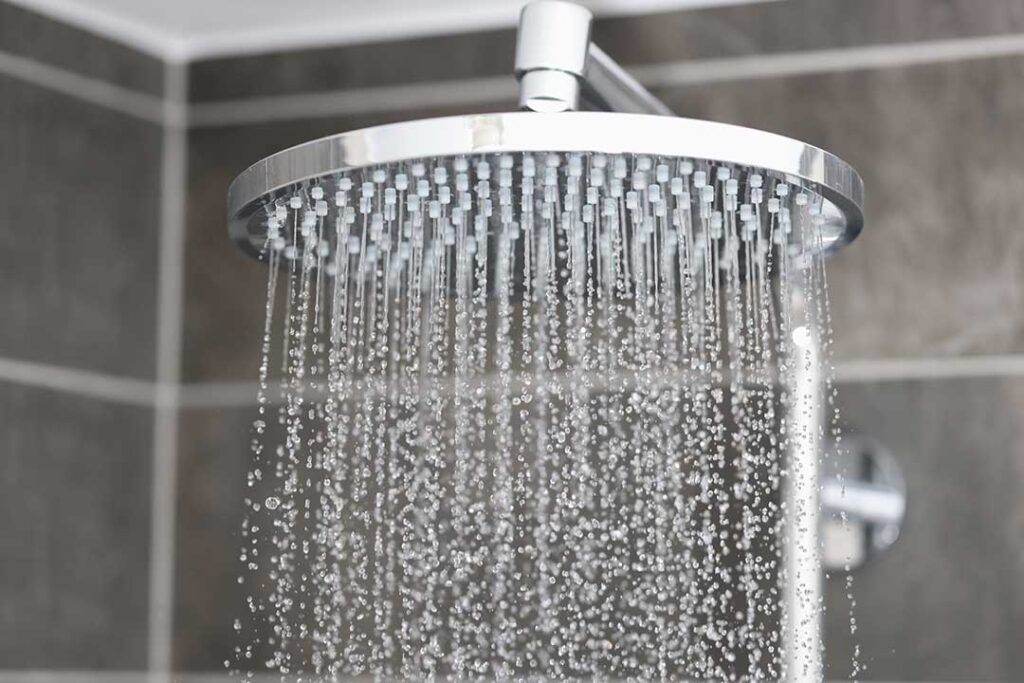
Hard water contains dissolved minerals, mainly calcium and magnesium. Those minerals are not usually a health concern at ordinary household levels, but they can leave deposits inside plumbing fixtures, appliances, and water-heating equipment.
For residents of Baton Rouge, hard-water problems may be less widespread than in areas supplied by naturally mineral-rich groundwater. The local public water supply is generally described as having low natural hardness. Even so, water conditions can vary by supply area, building plumbing, private well, and changes in mineral concentration. A home can still develop scale, especially around hot-water equipment and fixtures where evaporation concentrates minerals.
What is hard water?
Hard water is water with a relatively high concentration of calcium and magnesium. As water moves through soil and rock, it can dissolve minerals and carry them into wells or public water systems.
Water hardness is commonly measured in parts per million or grains per gallon. A general classification is:
- Soft water: less than about 1 grain per gallon
- Slightly hard water: about 1 to 3.5 grains per gallon
- Moderately hard water: about 3.5 to 7 grains per gallon
- Hard water: about 7 to 10 grains per gallon
- Very hard water: more than 10 grains per gallon
These categories are useful for understanding scale potential, but they do not predict exactly how a particular home will be affected. Pipe material, water temperature, flow rate, fixture design, and the age of the plumbing system all matter.
How does hard water affect pipes and fixtures?
Hard water can form mineral scale when calcium and magnesium come out of solution. The process is more noticeable where water is heated, splashed, or allowed to evaporate.
Inside plumbing, scale may gradually narrow the passage through valves, faucet aerators, showerheads, and small appliance lines. The result is often reduced flow rather than a sudden blockage. A fixture may appear to have a pressure problem when the actual restriction is a mineral deposit inside the outlet screen.
Common signs include:
- White, chalky buildup around faucets and showerheads
- Reduced flow from a single fixture
- Valves that become stiff or difficult to turn
- A rough or crusty surface inside toilet tanks
- Persistent spots on glass or chrome
- Increased dripping from fixtures affected by worn seals
Scale does not usually eat through pipes in the same way that corrosion can. Its main effect is gradual restriction, interference with moving parts, and reduced efficiency.
Why are water heaters especially vulnerable?
Water heaters are among the plumbing components most affected by mineral deposits because heat encourages scale formation. In a tank-style heater, minerals can settle at the bottom of the tank or attach to the heating surface.
A layer of scale acts as insulation between the burner or heating element and the water. The heater may then need more energy and more time to raise the water temperature. In gas-fired equipment, sediment can also contribute to popping, rumbling, or crackling sounds as water becomes trapped beneath deposits and turns to steam.
Possible symptoms include:
- Rumbling or popping during heating
- Less available hot water
- Longer recovery time after showers or laundry
- Higher energy use
- Premature wear on heating elements
- Sediment or flakes appearing in hot water
Hard water is not the only possible cause of these symptoms. A failing heating element, thermostat problem, undersized equipment, or excessive demand can produce similar results. A noticeable change in hot-water performance should be evaluated based on the entire system rather than blamed on hardness alone.
Can hard water damage washing machines, dishwashers, and other appliances?
Yes. Mineral scale can affect appliances that heat water or use narrow internal passages. Dishwashers, washing machines, ice makers, humidifiers, coffee makers, and some filtration equipment may all collect deposits over time.
In a dishwasher, scale can coat spray arms and heating surfaces. This may reduce cleaning performance or leave a cloudy film on dishes. In an ice maker or refrigerator water line, deposits can restrict flow through small valves and tubing.
The risk depends on actual water chemistry and usage. A household that uses a large amount of hot water may notice effects sooner than a lightly occupied home. Appliances connected to private wells may also experience different mineral conditions than homes connected to a public supply.
Does hard water cause low water pressure?
Hard water can contribute to low flow at individual fixtures, but it usually does not explain a sudden pressure loss throughout an entire home.
A clogged aerator, showerhead, cartridge, or small shutoff valve may have scale buildup. That can reduce flow at one location while other fixtures work normally. Whole-house pressure loss is more often associated with a closed valve, failing pressure regulator, damaged service line, clogged filter, leak, or utility-side issue.
A useful observation is whether the problem affects one fixture, one branch of plumbing, hot water only, or the entire house. That pattern helps distinguish mineral restriction from a broader plumbing problem.
Is the water in Baton Rouge considered hard?
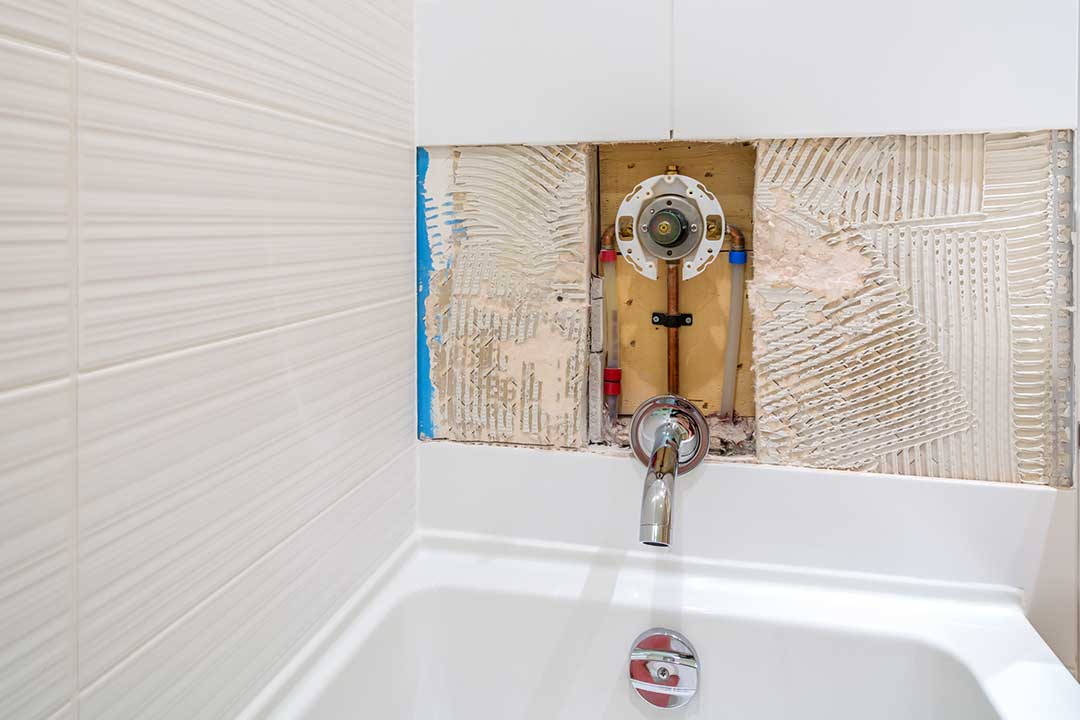
Public water serving Baton Rouge is generally known for low natural hardness because it comes from groundwater sources with relatively low mineral concentrations. That means many households may see fewer scale problems than communities supplied by harder water.
However, “generally low hardness” does not mean every property has identical water. Conditions can differ because of:
- Private wells and well depth
- Building-specific plumbing materials
- Water treatment equipment
- Older fixtures with existing deposits
- Localized changes in water chemistry
- Mineral buildup that developed before a property changed water sources
The most reliable way to determine hardness at a specific address is to review the applicable water quality information or use a properly conducted water test. A white ring around a faucet is evidence of mineral residue, but it does not measure hardness by itself.
What can residents do about mineral buildup?
Routine cleaning and maintenance can prevent small deposits from becoming flow restrictions.
For removable aerators and showerheads, soaking parts in a mild household descaling solution can loosen mineral residue. Follow the fixture manufacturer’s instructions, and avoid mixing cleaning chemicals. Acidic cleaners should not be used on surfaces that may be damaged by them, including some natural stone, plated finishes, or sensitive metals.
Other practical steps include:
- Clean faucet aerators when flow begins to decline.
- Inspect toilet fill valves and supply stops for crusty deposits.
- Follow the appliance manufacturer’s cleaning schedule.
- Flush and maintain water-heating equipment according to its design.
- Replace severely restricted aerators or cartridges rather than forcing them open.
- Test private-well water periodically, especially after changes in taste, odor, or staining.
A water softener is not automatically necessary in a low-hardness area. Softening equipment adds maintenance, uses salt or another treatment method, and may be unsuitable for some household needs. A hardness test should come before selecting treatment equipment.
Is hard water a health problem?
Hard water is primarily a plumbing, cleaning, and appliance-efficiency issue. Calcium and magnesium are naturally occurring minerals, and ordinary hardness levels are generally not treated as a public-health hazard.
Hardness also should not be confused with lead, bacteria, disinfectant byproducts, or other water-quality concerns. A home can have soft water and still have a separate plumbing-related water issue. Conversely, mineral scale does not prove that drinking water is contaminated.
For households concerned about drinking water, the relevant questions are the water source, the public water quality report, the condition of private plumbing, and any results from properly collected testing. Plumbing symptoms alone cannot identify a health risk.
When does mineral buildup require more attention?
Mineral deposits deserve prompt attention when they are accompanied by leaking valves, damaged water-heating equipment, sudden loss of flow, discolored water, repeated fixture failures, or signs of a concealed leak. These conditions may involve corrosion, pressure problems, or failing components rather than hardness alone.
In many homes, the most effective approach is modest and targeted: identify where scale is forming, clean or replace the affected fixture, maintain hot-water equipment, and verify actual water hardness before installing treatment equipment.