

 See My Latest Article on HelloNation
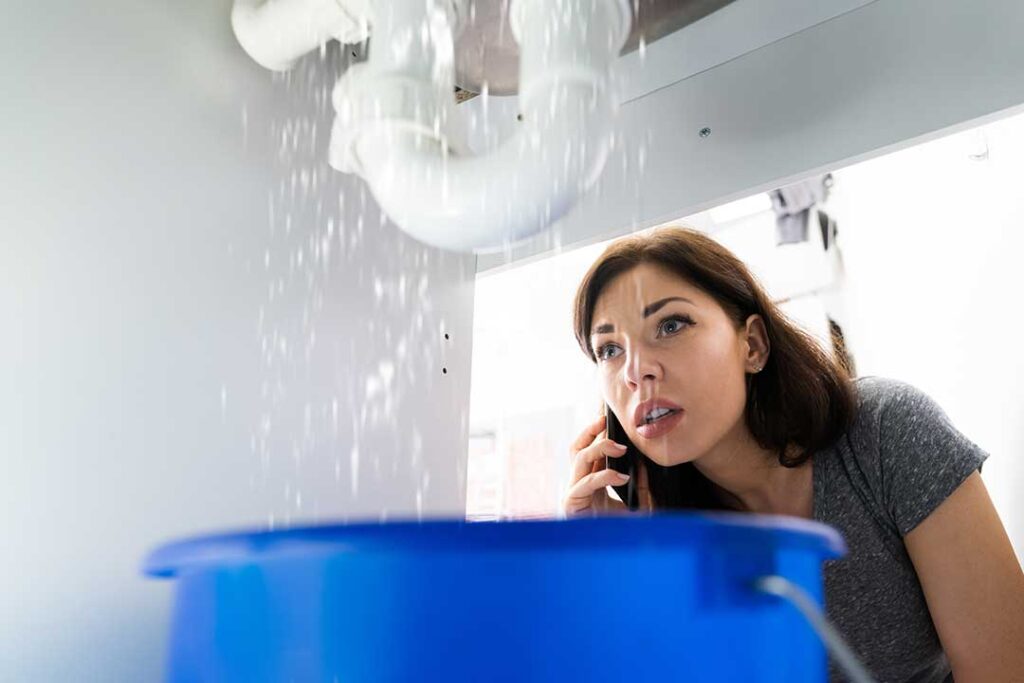
Water hammer is the banging, knocking, or thudding sound that occurs when moving water stops or changes direction suddenly inside a plumbing system. The noise may come from a wall, ceiling, cabinet, or pipe near a fixture. Although a single episode is usually not an emergency, repeated water hammer can loosen pipe supports, strain valves, damage connections, and contribute to leaks.
What causes water hammer?
Water hammer happens when water flowing through a pipe is forced to stop too quickly. The sudden change creates a pressure wave that travels through the plumbing system and makes pipes move or vibrate.
Common causes include:
- A faucet or fixture valve that closes abruptly
- Fast-closing solenoid valves in washing machines, dishwashers, and ice makers
- Loose pipes that can shift when pressure changes
- Excessively high water pressure
- Air chambers or other pressure-control devices that no longer work properly
- A plumbing system that was not adequately supported during installation or remodeling
The sound is often more noticeable in homes with long pipe runs, narrow pipe sections, or pipes that pass through framing openings without protective supports. In older houses, years of small movements can enlarge gaps around pipes, allowing the noise to become louder over time.
What does water hammer sound like?
Water hammer usually sounds like a sharp bang, clunk, or series of knocks immediately after a faucet, appliance, or toilet valve shuts off. The noise may occur once or repeat several times as pressure moves through the system.
The location of the sound can be misleading. A pipe may bang inside a wall several feet away from the fixture that caused the pressure change. For example, shutting off a washing machine may produce a knock near a hallway or ceiling rather than directly behind the appliance.
Water hammer is different from several other plumbing noises:
- Hissing: Often associated with a partially open valve, high pressure, or a small leak.
- Whistling: May indicate restricted water flow through a valve or fixture.
- Gurgling: Can point to drain or vent problems rather than supply-line pressure.
- Rattling: May come from a loose shutoff valve, pipe, or fixture component.
- Popping after hot water use: Often results from thermal expansion or movement in hot-water piping.
Recognizing the timing of the noise helps identify the cause. A bang that occurs exactly when water stops is more consistent with water hammer than with a drain problem.
Is water hammer dangerous?
Water hammer is not usually dangerous to people, but persistent pressure shocks can damage plumbing components. Repeated impacts may loosen pipe hangers, stress soldered or threaded joints, shorten the life of appliance hoses, and cause small leaks at valves or fittings.
The risk is greater when the noise is accompanied by:
- Visible movement of exposed pipes
- Damp cabinets, stained ceilings, or wet flooring
- A sudden increase in the severity or frequency of the banging
- Water pressure that feels unusually strong
- A shutoff valve that vibrates, chatters, or will not close fully
In Baton Rouge, seasonal temperature changes, heavy rainfall, and differences between older and newer housing can affect how plumbing systems behave. Homes with crawl spaces, additions, or multiple remodeling phases may have a mixture of pipe materials and support methods, which can make pressure-related movement more noticeable.
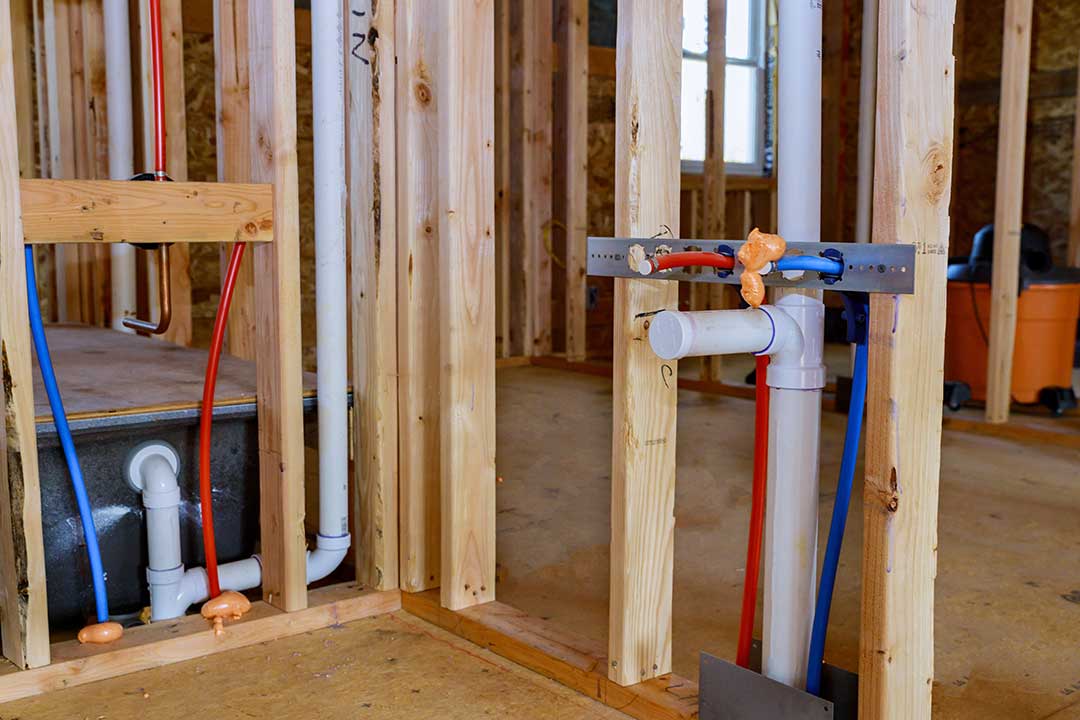
How can water hammer be reduced at home?
The simplest first step is to identify which fixture or appliance triggers the sound. Open one fixture at a time, then close it while listening. Pay special attention to appliances that use electrically controlled valves, especially washing machines and dishwashers.
If an appliance is the likely source, inspect the accessible supply hoses and shutoff valves. Make sure the hoses are not sharply bent and that the appliance is stable. Do not force a stuck valve or tighten a connection that is already corroded.
For exposed piping, check whether the pipe moves when a faucet is opened or closed. Pipe movement may be reduced with properly installed supports, cushioning, or protective sleeves. Supports should hold the pipe securely without crushing it or preventing normal expansion and contraction.
A partly closed valve can also create turbulence and noise. Fixture shutoff valves should generally be fully open or fully closed rather than left halfway open. If a valve is old, corroded, or difficult to operate, replacing it may be safer than forcing it.
Can lowering water pressure fix the problem?
Sometimes. Excessive water pressure can make water hammer louder and place more stress on plumbing components. Lowering pressure can reduce the severity of the impact, but it will not correct loose pipes or a defective appliance valve by itself.
A pressure-reducing valve may be present where the water service enters the home. Adjustments should be made carefully because pressure that is too low can cause poor fixture performance, slow appliance filling, or unreliable operation of some household equipment.
A pressure gauge can help determine whether the system has unusually high pressure or large pressure swings. Pressure should be checked under conditions that show both normal use and periods when no fixtures are running. If the reading changes dramatically or remains unusually high, the pressure-control equipment may need inspection.
Do modern plumbing systems still need air chambers?
Some systems use vertical sections of pipe called air chambers to cushion sudden pressure changes. Over time, these chambers can fill with water and lose much of their ability to absorb the pressure wave.
A traditional approach is to shut off the main water supply, open faucets throughout the home, drain the piping, and then restore the supply. This can allow air back into the chambers. However, not every plumbing layout includes accessible air chambers, and draining the system will not fix loose supports, excessive pressure, or a failing valve.
Purpose-built water-hammer arrestors use a sealed air cushion or piston to absorb the pressure surge. They are often installed near fast-closing appliance valves. Proper sizing and placement matter; an incorrectly installed device may provide little benefit.
Why do washing machines often cause banging?
Washing machines are common sources of water hammer because their inlet valves open and close quickly. A sudden stop in water flow can create a strong pressure wave, especially if supply hoses are long, pipe supports are loose, or household pressure is high.
Check whether the noise occurs only when the washer fills or stops filling. If so, inspect the accessible hoses for wear, confirm that the shutoff valves are fully open, and make sure the machine is not pulling on the hoses. Anti-hammer devices designed for appliance supply lines can reduce the impact when installed correctly.
Worn hoses should not be ignored. A hose that bulges, cracks, or shows corrosion at its fittings can fail under pressure, even if the water hammer itself seems minor.
When should the plumbing system be inspected?
An inspection is justified when water hammer is frequent, loud, or worsening, especially if the sound is accompanied by leaks, visible pipe movement, pressure problems, or damage around fixtures. Plumbing behind finished walls may require careful evaluation because opening a wall without locating the source can create unnecessary damage.
Safety and compliance also matter if the suspected cause involves changes to the main water line, pressure-regulating equipment, concealed piping, or permanent installation of a pressure-control device. Work on these components should follow applicable plumbing requirements and manufacturer instructions.
Water hammer is usually a pressure-and-movement problem rather than a sign that the entire plumbing system must be replaced. Identifying the triggering fixture, checking water pressure, securing accessible pipes, and addressing defective valves are often the most direct ways to reduce the noise and protect the system.