
 See My Latest Article on HelloNation
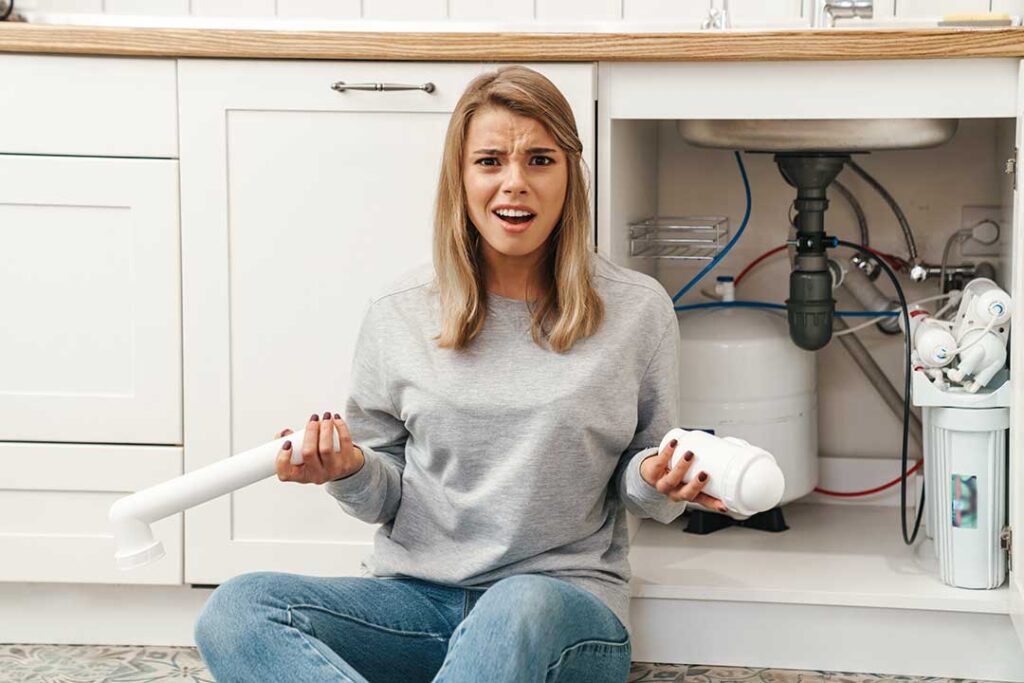
Many products labeled “flushable” can pass through a toilet, but that does not mean they break apart safely throughout the plumbing and wastewater system. Unlike toilet paper, most wipes are made to stay intact while wet. That strength can allow them to collect in household drainpipes, sewer laterals, pumps, and treatment equipment.
For households in Baton Rouge, the safest everyday rule is simple: flush human waste and toilet paper only. Place wipes in a lined wastebasket, even when the package says they are safe to flush.
What makes a wipe different from toilet paper?
Toilet paper is designed to separate quickly when exposed to water and agitation. Wipes are designed for the opposite purpose. They must remain strong enough to be used while wet, so they commonly contain longer fibers, synthetic material, or binding agents that do not disperse as rapidly.
A wipe may disappear from view after the toilet is flushed, but it has not necessarily dissolved. It may continue through the building drain and into a private sewer line as a relatively intact sheet.
The word “flushable” generally describes whether an item can move through a toilet under certain testing conditions. It does not guarantee that the item will break down quickly in every household plumbing system, municipal sewer, pump station, or wastewater treatment process.
How can flushing wipes clog a home’s plumbing?
A single wipe may travel through a drain without causing an immediate problem. Repeated flushing creates a greater risk because the material can catch on rough pipe interiors, joints, roots, grease, or other debris.
Once a few wipes become lodged, additional material can collect around them. The result may be:
- A toilet that flushes slowly
- Gurgling from drains or toilets
- Water that rises in a tub or shower when another fixture is used
- Repeated clogs that return after plunging
- Sewage odors near floor drains or cleanouts
- A backup affecting more than one fixture
Older homes and properties with aging, damaged, or root-intruded sewer lines may be less forgiving. A pipe that already has limited flow can become blocked much more quickly when wipes accumulate.
In Baton Rouge, heavy rainfall can also expose weaknesses in drainage and wastewater systems. Rainwater entering sanitary sewer lines through cracks, improper connections, or other defects can increase flow during storms. That does not make wipes the cause of every backup, but added debris can make a restricted line more vulnerable when the system is under stress.
Why do wipes cause problems beyond the property line?
Household plumbing is connected to a larger network. After leaving a home, wastewater may pass through neighborhood sewer lines, pump stations, screens, and treatment equipment. Wipes can snag on grates, wrap around pumps, or combine with grease and other debris into dense clumps.
Municipal wastewater systems are built to transport wastewater and toilet paper—not durable wet fabrics. Removing wipes requires additional maintenance and can interrupt normal equipment operation. If a blockage restricts flow, sewage may back up into buildings or overflow from portions of the collection system.
The East Baton Rouge wastewater system has undergone major infrastructure work to address sanitary sewer overflow and capacity concerns. Proper disposal habits support those improvements by keeping avoidable solids out of the system.
Are “flushable” wipes safe with septic systems?
No type of wipe is a dependable choice for a septic system. Septic tanks rely on settling, biological treatment, and drainage through a soil absorption area. Wipes can remain intact in the tank, collect near the outlet, or move toward the drainfield.
A clogged septic outlet or filter can restrict wastewater flow and contribute to backups. Even if a wipe eventually breaks apart, it may do so too slowly for the system to handle it safely.
Homes outside the central wastewater network, rural properties, and some older residences may use onsite wastewater treatment. For those households, limiting toilet contents to waste and toilet paper is especially important.
What about occasional flushing?
Occasional flushing may not produce an immediate symptom, which can make the practice seem harmless. The problem is that plumbing damage and buildup are often cumulative.
A wipe may pass through the toilet and travel farther than expected before becoming trapped. If the obstruction forms in a buried sewer lateral or a difficult-to-access section of pipe, the warning signs may not appear until many flushes later.
The absence of a current clog does not prove that the material safely dissolved. It may simply mean the restriction has not yet become large enough to affect flow.
What should residents do with wipes?
The practical disposal method is to place used wipes in a small lined trash container. This applies to baby wipes, cleaning wipes, personal hygiene wipes, disinfecting wipes, makeup-removal wipes, and similar products.
Helpful habits include:
- Keep a covered wastebasket within easy reach of the toilet.
- Avoid flushing paper towels, tissues, napkins, cotton products, dental floss, diapers, and feminine hygiene products.
- Do not assume that a wipe labeled biodegradable will break down quickly in a sewer or septic system.
- Follow package directions for disposal, but remember that local wastewater guidance may be more conservative.
- Keep grease and cooking oils out of drains because they can combine with wipes and other solids.
If a wipe is accidentally flushed once, it is usually better to monitor the plumbing than to repeatedly flush additional material in an attempt to move it along. Watch for slow drainage, bubbling, sewage odors, or water appearing in low fixtures.
What if a backup starts?
Stop using fixtures if wastewater begins rising in a tub, shower, floor drain, or toilet. Continued water use can increase the amount of contaminated water released into the building.
Avoid direct contact with sewage. Wear gloves and protective footwear if limited cleanup is unavoidable, keep children and pets away from the area, and disinfect affected hard surfaces according to public-health guidance. Porous materials exposed to sewage may require special handling or disposal.
A backup involving several fixtures may indicate a blockage in the building drain or sewer lateral rather than a problem with one toilet. If contaminated water is spreading, electrical equipment is wet, or the source cannot be controlled safely, specialized assistance may be necessary.
The clearest rule is also the most reliable: a toilet is not a general-purpose disposal system. In Baton Rouge, as in other communities, flushing only human waste and toilet paper reduces the chance of household clogs, sewer equipment problems, and avoidable wastewater backups.