

 See My Latest Article on HelloNation
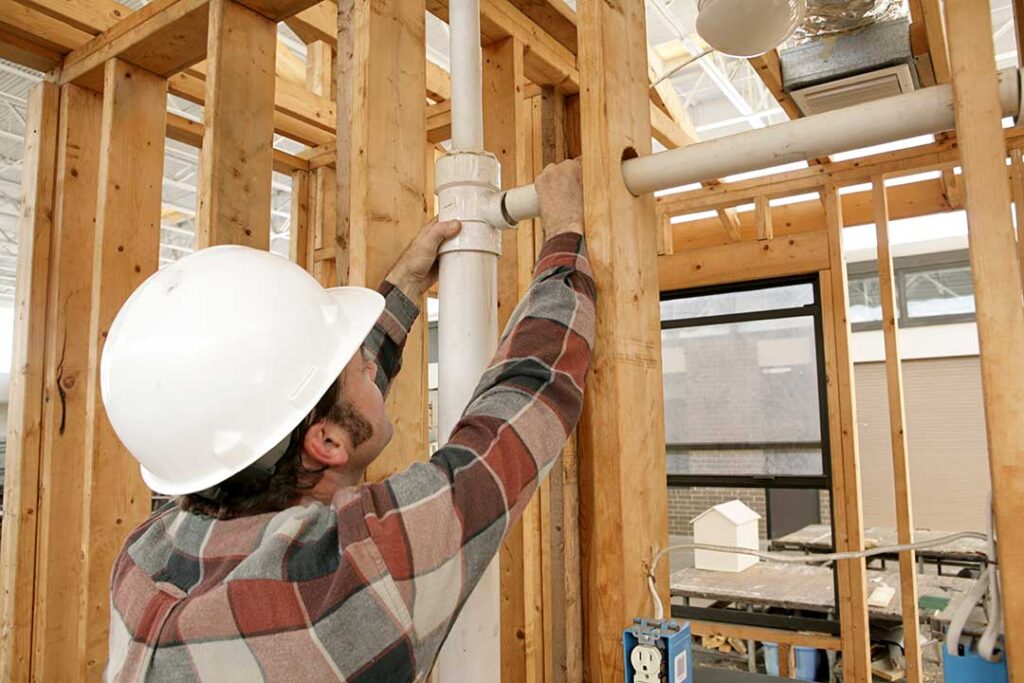
Plumbing systems usually last longer when small problems are found early, fixtures are used thoughtfully, and outdoor conditions are considered. In Baton Rouge, LA, heat, humidity, heavy rain, seasonal storms, mature trees, and a wide range of home ages can all affect pipes, drains, water heaters, and sewer connections.
What routine habits help plumbing last longer?
The most effective maintenance habits are simple: keep unsuitable materials out of drains, watch for leaks, protect exposed pipes, and learn where the home’s water shutoff valve is located.
Kitchen and bathroom plumbing are exposed to daily wear. Grease, coffee grounds, fibrous food scraps, paper products, wipes, and cleaning chemicals can create restrictions or damage components. Even products labeled “flushable” may not break down reliably in every sewer system.
Useful habits include:
- Scrape food scraps into the trash or compost before washing dishes.
- Run cold water briefly while using a garbage disposal, if the home has one.
- Never pour cooking oil or grease down a drain.
- Flush only human waste and toilet paper.
- Use drain strainers to catch hair and soap residue.
- Avoid hanging heavy items from exposed supply lines or shutoff valves.
- Keep access panels and cleanouts unobstructed.
A slow drain should not be treated as normal. Repeated use of chemical drain openers can harm some pipe materials, seals, and plumbing fixtures. A plunger, drain screen, or mechanical cleaning method is usually less damaging for minor surface clogs.
How often should homeowners inspect for leaks?
A quick visual inspection every month can catch problems before they damage floors, walls, cabinets, or ceilings. Look beneath sinks, around toilets, near the water heater, and wherever supply lines connect to fixtures.
Check for:
- Damp cabinet floors or musty odors
- Green, white, or rusty deposits around fittings
- Water stains on ceilings or walls
- Toilets that rock or leak at the base
- Faucets that drip after being shut off
- Supply hoses that are cracked, swollen, or discolored
- Unexplained puddles near appliances
A toilet that runs intermittently can waste a substantial amount of water and may indicate a worn flapper, fill valve, or flush mechanism. Placing a few drops of food coloring in the tank and waiting without flushing can help reveal a silent leak into the bowl. If color appears in the bowl, the toilet is allowing water to pass.
The water meter can also help identify hidden leaks. Turn off faucets, appliances, and irrigation, then check whether the meter continues moving. Some meters have a small leak indicator that responds even to slow leaks.
How can Baton Rouge weather affect a plumbing system?
High humidity and intense heat can shorten the useful life of exterior plumbing components, encourage corrosion, and increase stress on hoses and seals. Heavy rain can also expose drainage weaknesses, especially where roof runoff, yard grading, and underground piping interact.
Before severe weather, secure or drain outdoor plumbing fixtures where practical. Inspect hose bibs, irrigation connections, and exterior shutoff valves for leaks. After major rain, watch for unusually slow drains, sewer odors, standing water, or changes in toilet behavior.
Tree roots are another concern for underground drain lines. Roots naturally seek moisture and can enter small cracks or loose joints. Warning signs may include recurring backups, multiple slow drains, gurgling fixtures, or wet areas in the yard that do not match recent rainfall.
Stormwater and wastewater systems serve different purposes. Yard drains, gutters, and downspouts should not be altered casually or connected to household wastewater piping without following applicable requirements. Improper connections can increase backups and create sanitation problems.
What maintenance does a water heater need?
A water heater lasts longer when sediment, corrosion, temperature, and pressure are kept under control. Tank-style heaters collect minerals and debris at the bottom, which can reduce efficiency and cause rumbling or popping sounds during heating.
Basic maintenance includes:
- Checking for leaks around the tank, connections, and relief valve.
- Keeping storage areas clear of combustible materials.
- Testing temperature carefully to reduce scalding risk.
- Inspecting the visible condition of the anode rod when the design allows it.
- Following the manufacturer’s maintenance instructions.
- Having unusual noises, leaking tanks, or pressure-relief discharge evaluated promptly.
The temperature and pressure relief valve is a safety device and should never be capped, blocked, or removed. Water that repeatedly discharges from this valve can indicate excessive pressure, overheating, or a faulty valve.
Tankless units also need maintenance. Mineral buildup can restrict heat transfer and reduce performance, particularly in areas where the water contains enough dissolved minerals to form scale. Maintenance should follow the specific equipment instructions.
Should homeowners replace old plumbing pipes before they fail?
Not necessarily. Age alone does not determine whether a plumbing system needs replacement. Pipe material, installation quality, water conditions, corrosion, leak history, and accessibility all matter.
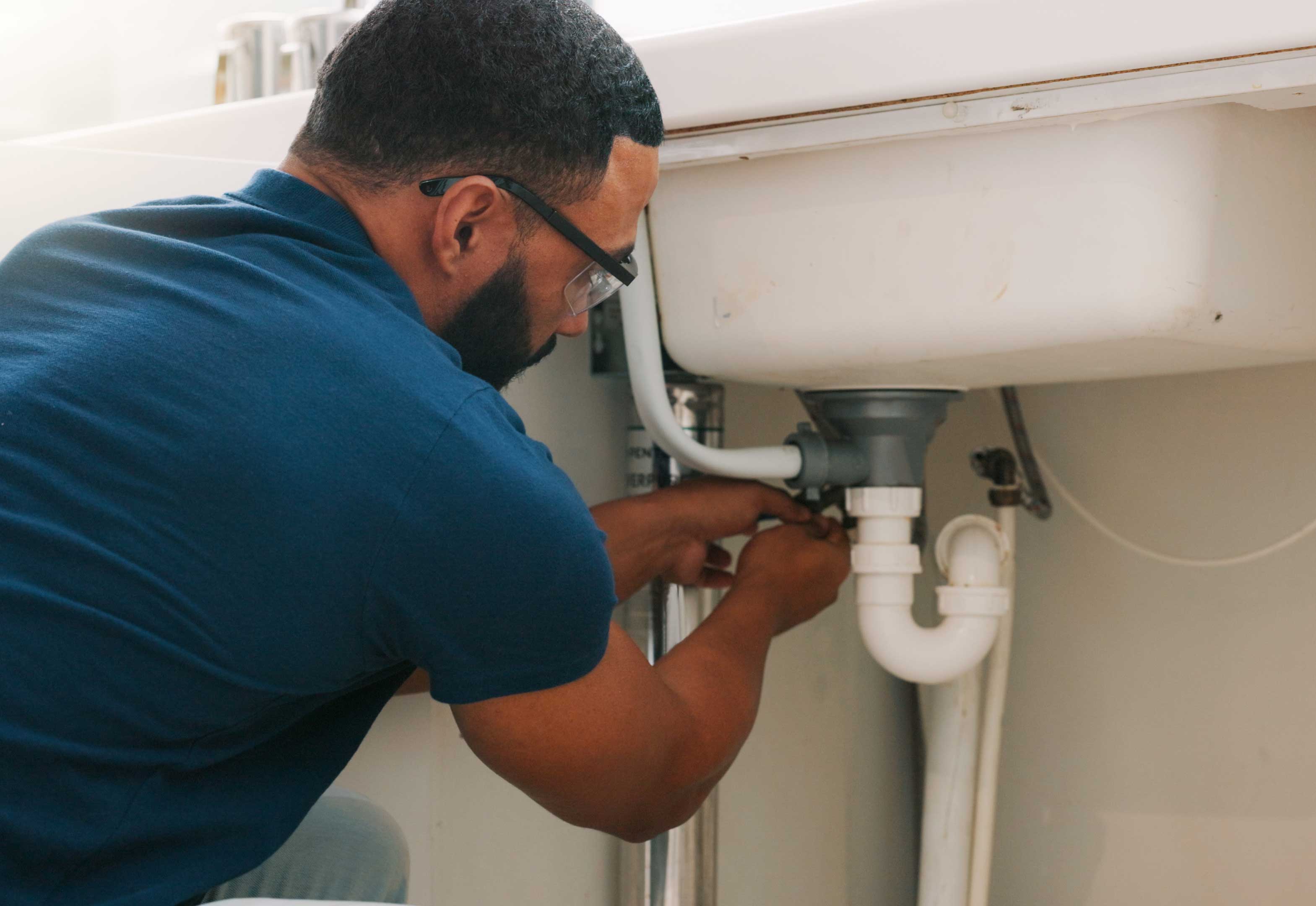
Older homes may contain a mixture of pipe materials because sections were repaired or remodeled at different times. A system with no active leaks and stable water pressure may need observation rather than immediate replacement. On the other hand, repeated failures, widespread corrosion, discolored water, low flow at multiple fixtures, or frequent repairs suggest that a broader evaluation is warranted.
Avoid making major changes based solely on a pipe’s appearance. Some oxidation is cosmetic, while active pitting, bulging, seepage, or joint failure can be a sign of a developing leak.
How can water pressure and fixture use affect pipe life?
Excessive water pressure places stress on valves, appliance connections, flexible hoses, and pipe joints. Symptoms may include banging pipes, dripping faucets, prematurely failing washing machine hoses, or toilets that fill noisily.
A pressure-reducing valve may be present on a home’s plumbing system, but it should not be adjusted casually. Pressure readings can vary depending on whether water is being used, and incorrect adjustments may create new problems.
Water hammer occurs when flowing water stops suddenly, causing a bang or vibration. Loose pipes, worn valves, high pressure, or inadequate air chambers may contribute. Repeated water hammer can strain connections over time.
Use fixture handles gently, avoid forcing stuck valves, and replace damaged hoses rather than relying on temporary patches. Appliance hoses should have enough space to avoid sharp bends and should not be hidden where leaks cannot be seen.
When does a plumbing problem require prompt attention?
Some issues should not be postponed because they involve property damage, sanitation, gas, electricity, or loss of water control.
Prompt attention is appropriate for:
- A burst pipe or rapidly spreading leak
- Sewage backing up into a building
- Water near electrical equipment
- A gas odor near a gas-fired appliance
- A water heater that is leaking heavily or overheating
- A ceiling that is sagging from trapped water
- A main shutoff valve that will not close
- Repeated backups affecting several fixtures
For a suspected gas leak, avoid switches, flames, and electrical equipment in the area, leave the building if needed, and follow emergency guidance from the gas utility or local emergency authorities.
Knowing the location and operation of the main water shutoff can limit damage while help is arranged. Every household member who may need to respond should know how to use it, including children old enough to understand the safety instructions.
What is the most practical long-term maintenance plan?
A manageable schedule is more useful than occasional major attention:
- Monthly: Look under sinks, inspect toilets, and check exposed hoses and valves.
- Every few months: Test water shutoff access, examine the water heater area, and clean drain strainers.
- Before severe weather: Check outdoor connections, gutters, downspouts, and visible drainage paths.
- Annually: Review leak history, inspect accessible plumbing, and follow water-heater maintenance instructions.
- After remodeling: Confirm that new fixtures, shutoffs, drains, and appliance connections are accessible and properly supported.
Keeping a simple record of leaks, repairs, water-heater service, and recurring drain issues helps identify patterns. A single worn washer is routine maintenance; repeated leaks in the same area may point to pressure, corrosion, movement, or an underlying installation problem.