

 See My Latest Article on HelloNation
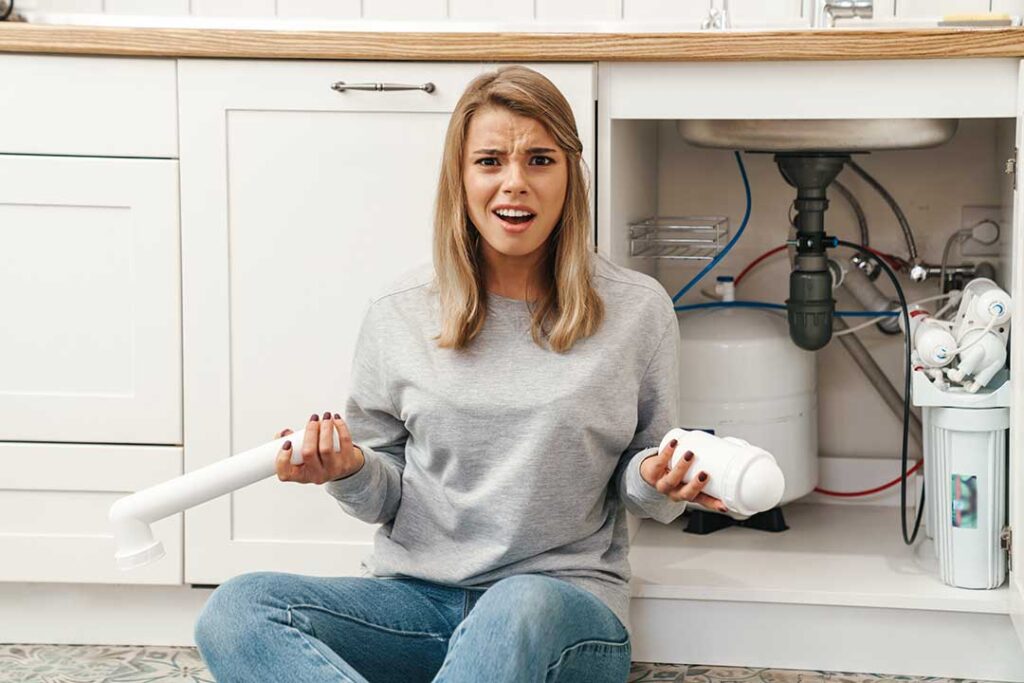
How often should you check for plumbing leaks?
Most households should do a quick visual leak check once a month, inspect the water meter every few months, and perform a more thorough review at least twice a year. Check sooner after severe weather, a plumbing repair, an appliance installation, or any unexplained increase in water use.
In Baton Rouge, warm temperatures, high humidity, heavy rain, slab foundations, older homes, and active seasonal air-conditioning use can make moisture problems harder to recognize. A small leak may blend into normal damp conditions, remain hidden beneath cabinets, or slowly damage flooring and drywall before it becomes obvious.
A routine inspection does not require special equipment. The goal is to notice changes early, before a minor drip becomes structural damage, mold growth, or a large water bill.
What should you check every month?
A monthly inspection should take about 10 to 15 minutes. Look and listen for moisture in the places where plumbing connections, fixtures, and appliances are concentrated.
Check:
- Under kitchen and bathroom sinks
- Around toilet bases and supply connections
- Behind washing machines
- Around water heaters
- Beneath dishwashers and refrigerators with water lines
- Around tubs, showers, and shower valves
- Near outdoor hose connections
- Ceilings or walls below bathrooms and laundry areas
- Exposed pipes in garages, attics, crawl spaces, or utility rooms
Use a dry paper towel around valves, supply lines, and drain connections. A towel can reveal a slow seep that is too small to form a visible puddle.
Also pay attention to sounds. Hissing, dripping, or the sound of water moving when every faucet is off may indicate a hidden leak. A toilet that occasionally refills without being flushed is another common warning sign.
Is a water-meter check necessary?
Yes. A meter check can reveal leaks that are not visible inside the home, including leaks in underground supply lines or behind walls.
To perform a basic test:
1. Turn off faucets, showers, washing machines, ice makers, irrigation, and other water-using fixtures.
2. Make sure toilets are not refilling.
3. Record the meter reading or note the position of its leak indicator.
4. Wait at least 30 minutes without using water.
5. Check whether the reading or indicator has changed.
A longer test, such as two hours or overnight, can make a very small leak easier to identify. Some meters have a small flow indicator that moves even when the main reading appears unchanged.
A meter that continues showing flow does not always identify the exact source. It does, however, provide a useful reason to inspect toilets, outdoor lines, irrigation components, and hidden plumbing more closely.
How often should toilets be tested?
Test toilets for silent leaks at least once a year, and more often in homes with older toilets, running-water complaints, or rising bills.
Add a few drops of food coloring to the tank, but do not flush. Wait about 10 minutes. If colored water appears in the bowl, the toilet is leaking from the tank into the bowl. This type of leak may waste water without making much noise.
Other toilet warning signs include:
- A toilet that runs briefly by itself
- Rippling water in the bowl when it has not been used
- A loose or damp base
- A handle that must be held down to complete a flush
- Water stains or soft flooring nearby
A toilet leak can be inexpensive to overlook but costly over time, especially when it continues day and night.
Which leaks deserve immediate attention?
Not every leak requires the same response. A damp faucet connection can usually be monitored briefly while the source is identified, but certain conditions call for immediate action.
Shut off the nearest fixture valve or the home’s main water supply if:
- Water is spraying or flowing steadily
- A pipe has burst or separated
- Water is reaching electrical outlets, appliances, or wiring
- A ceiling is bulging or sagging
- Flooring is becoming soft or visibly swollen
- Sewage is backing up or leaking
- The leak is near a water heater, gas connection, or electrical equipment
Do not enter standing water near electrical systems. If a leak involves sewage, contaminated water, or a potentially dangerous electrical condition, avoid direct contact and seek qualified assistance because sanitation and safety concerns may be involved.
When should Baton Rouge households inspect more carefully?
A more thorough inspection is useful twice a year, such as before the hottest part of summer and before the cooler months. Seasonal checks should include visible plumbing, appliances, shutoff valves, and areas that are normally difficult to access.
Inspect after:
- Heavy rain or severe thunderstorms
- Extended power outages
- A freeze or unusually cold night
- Remodeling or flooring work
- Installation of a washing machine, dishwasher, refrigerator, or water heater
- A long vacation or period when the home was unoccupied
- A noticeable change in water pressure
- A sudden increase in water use
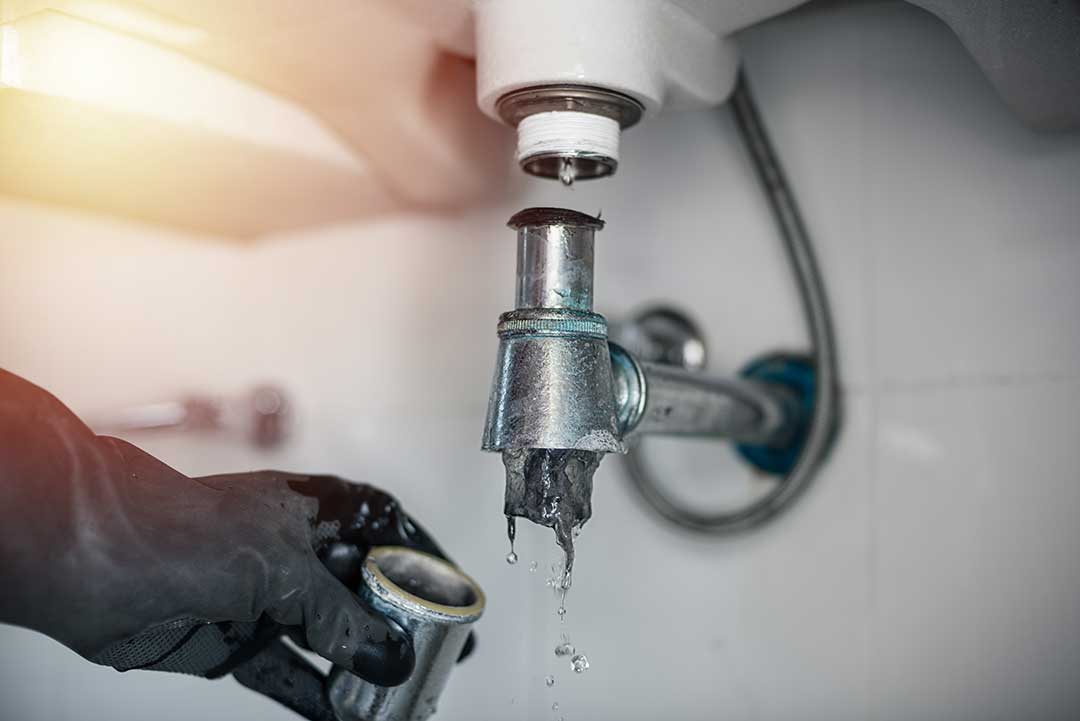
Heavy rainfall does not necessarily cause a household plumbing leak, but it can expose drainage problems, saturate soil near underground lines, and make it harder to distinguish plumbing moisture from exterior water intrusion. In homes with crawl spaces or low-lying areas, look for standing water, muddy patches, or unusually damp insulation.
What signs suggest a hidden leak?
A hidden leak may be present even when no pipe is visibly dripping. Watch for patterns rather than a single symptom.
Possible signs include:
- An unexplained rise in the water bill
- Musty odors inside cabinets or walls
- Paint bubbling, peeling, or discoloring
- Warped flooring or swollen baseboards
- Mildew that keeps returning after cleaning
- Warm or damp spots on floors
- Water stains that grow or reappear
- Low water pressure at one fixture or throughout the home
- Areas of unusually green or soft soil outdoors
- A water meter that moves while the home is unused
Air-conditioning drain problems can also create moisture indoors and may be mistaken for plumbing leaks. The location and timing of the water matter. Moisture near a ceiling-mounted air handler, for example, may have a different cause than water under a sink or around a toilet.
Does a newer home still need leak checks?
Yes. Newer construction can still develop leaks from loose fittings, damaged seals, defective supply lines, settling, appliance connections, or installation errors. Older homes may have more wear, but age alone does not determine whether a leak is likely.
Homes with slab foundations deserve particular attention because a concealed leak beneath the slab may not be visible indoors. Warning signs can include warm floor areas, unexplained moisture, sound beneath flooring, or water use that continues when all fixtures are off.
Routine checks are not a substitute for responding to warning signs. A household that checks monthly, watches water use, and knows where the main shutoff valve is located is more likely to catch a small problem before it spreads.
A simple schedule to follow
For most area households:
- Monthly: Look under sinks, around toilets, behind appliances, and near exposed plumbing.
- Every few months: Test the water meter with all water use turned off.
- Twice a year: Inspect less accessible areas, shutoff valves, water heaters, outdoor connections, and ceilings below plumbing.
- Annually: Test toilets for silent leaks and review water-use patterns.
- Immediately: Investigate unexplained moisture, running water, a sudden bill increase, or damage to walls, ceilings, and flooring.
The most useful habit is consistency. A short inspection performed regularly can identify a loose connection, worn seal, or hidden flow long before the damage becomes visible.