
 See My Latest Article on HelloNation
Why Does My Toilet Keep Running?
A toilet that doesn’t stop running usually signals a problem inside the tank. This can waste a surprising amount of water, especially in homes accustomed to frequent use during the hot, humid summers in Baton Rouge, LA. Common culprits include worn flappers, high water levels, stuck floats, or issues with the fill valve.
Frequent running wastes water and can lead to higher monthly bills—a concern for many area households relying on older plumbing infrastructure. Most running toilet problems can be addressed safely by residents with some basic tools and patience.
—
How Can I Check for the Most Common Issues?
Start by lifting the lid off the tank and listening. If the sound of running water doesn’t go away after a flush cycle, check these points:
- Flapper: Look for a rubber valve at the bottom center of the tank. If it looks warped, stiff, or doesn’t seal tightly, it could be the cause.
- Chain: Ensure the chain connecting the flush lever to the flapper isn’t tangled or too tight, which might prevent a good seal.
- Float: Older toilets use a ball float; newer ones use a cylinder. If it’s set too high, water will flow into the overflow tube.
Most area homes have at least one toilet with an older float and fill mechanism, increasing the likelihood of these easy-to-diagnose issues.
—
What Tools and Supplies Are Needed?
For nearly all simple fixes, residents should have:
- A pair of rubber gloves
- A small adjustable wrench or pliers (sometimes not needed)
- A sponge or small towel (to absorb residual water)
- A replacement flapper or fill valve if needed (available at most hardware stores in Baton Rouge, but no need to purchase before confirming the part needed)
Turning off the water supply to the toilet (look for a knob near the wall behind the toilet) is a good safety step before beginning any repairs.
—
How Do I Replace a Faulty Flapper?
A faulty or misaligned flapper is the most common cause of running toilets. Here’s a safe approach for local residents:
1. Turn off the water supply and flush the toilet to empty most of the tank.
2. Unhook the small chain from the existing flapper and gently pull the flapper from the pegs on the overflow tube.
3. Wipe the seat area where the flapper sits to remove mineral buildup—Baton Rouge’s water can leave light sediment.
4. Attach the new flapper’s arms to the pegs, then reconnect the chain (leaving just a little slack for clean operation).
5. Turn the water supply back on. Let the tank fill and flush once, ensuring the new flapper creates a secure seal.
If the toilet is still running, double-check chain slack and whether the flapper fully covers the valve.
—
Can Water Level Adjustments Stop the Running?
Overflow issues often come from the float being set too high. Here’s a safe adjustment process:
- For ball floats: Bend the metal arm gently downward so the float shuts off water sooner.
- For cylinder floats: Pinch the clip along the rod and slide the float lower.
Local residents sometimes notice mineral deposits on floats and rods because of Baton Rouge water. Wiping these areas with a damp cloth can help prevent sticking.
—
Are There Other Simple Fixes Worth Trying?
If adjusting the flapper and float don’t work:
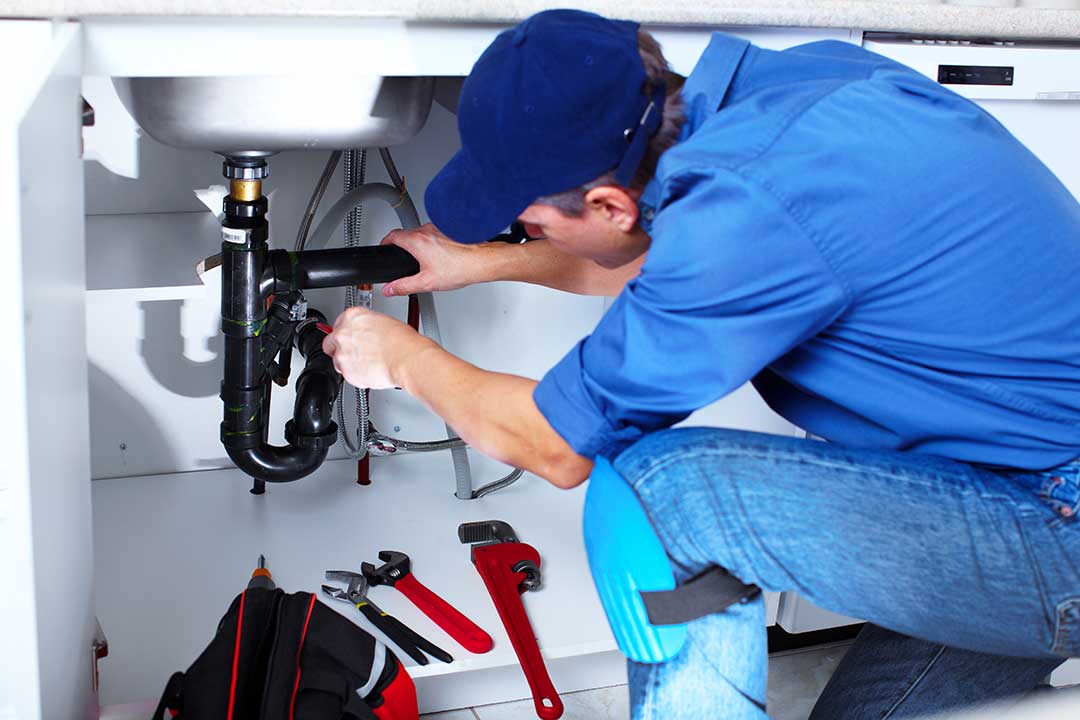
- Inspect the fill valve—if it’s leaking or hissing, it might have a worn washer or need tightening. Replacement fill valves require water shut-off and can be swapped by unscrewing the old part with a wrench and following package instructions.
- Check the refill tube (a small flexible pipe above the overflow tube). Make sure it’s not inserted below the overflow tube’s opening, which can accidentally siphon water and cause continuous running.
Residents should only attempt these steps if comfortable using basic hand tools and turning off the water.
—
What About Hidden Leaks or Complicated Toilets?
Most running toilet issues are safe for do-it-yourselfers, but some situations are best left alone:
- If there’s water pooling around the base—this could indicate a wax ring or seal issue below the toilet, not just a tank part.
- For dual-flush or pressure-assist toilets (less common in Baton Rouge homes but sometimes seen in recent remodels), parts and repair steps may differ.
Local water bills, which can fluctuate with higher usage, are often the first sign of a running toilet that residents miss. Coloring a cup of water with food dye and adding it to the tank, waiting 15 minutes, then checking the bowl for color can help confirm a leak, especially in older city homes.
—
What Should Residents Do if Fixes Don’t Work?
Trying these straightforward repairs solves most cases, but persistent leaking, corroded hardware, or cracked porcelain requires a more cautious approach. Residents should avoid forcing parts or attempting repairs if uncomfortable with any step—especially if the water shutoff isn’t functioning. Flushing issues tied to low water pressure, noticeable rust, or chronic clogs might indicate deeper plumbing concerns.
For homes with unusually old plumbing or persistent toilet problems, seeking out local educational resources, public works information, or trusted community forums can provide additional support without causing further damage.